What makes a skincare product truly “organic”? Many beauty aficionados seek alternatives to synthetic formulations. So, they turn to plant-based ingredients for their natural benefits.
Botanical extracts have long been valued for their ability to support skin health. They offer properties ranging from hydration and soothing effects to antioxidant and antimicrobial protection.
These plant-derived components make up an organic formulation. From aloe vera’s calming properties to green tea’s antioxidant power, nature provides a vast selection of ingredients that improve skincare routines.
Selecting the right botanical extracts for organic formulations requires a detailed evaluation of their quality, identity, and purity. Variations in plant species, growing conditions, and processing methods can influence an ingredient’s effectiveness.
Botanical ingredients are rarely used in their raw state. Instead, they are processed into oils, waxes, or aqueous extracts, each with distinct characteristics based on their extraction method and intended use.
Skincare brands looking to develop an organic skincare line should thoroughly understand the following ingredient details.
Genus and species of origin | Identifying the correct plant source guarantees consistency |
Plant part used | Leaves, roots, flowers, and seeds contain different active compounds |
Processing method | Extraction techniques affect the concentration of bioactive compounds |
Adulteration is a concern in the botanical industry. Substituting or diluting high-value extracts with cheaper alternatives can compromise product efficacy and safety.
Grape seed extract, for instance, is sometimes mixed with peanut skin or pine bark. This alters its proanthocyanidin composition. Some substitutions may not pose safety risks but fail to deliver the intended skincare benefits.
Plant extracts deliver functional and bioactive properties that benefit the skin. The active compounds within these extracts, such as polyphenols, flavonoids, vitamins, and essential fatty acids, interact with skin cells to promote overall skin health.
Plant extracts, such as aloe vera, cucumber, and hyaluronic acid, contribute to moisture retention. These botanicals contain polysaccharides, glycoproteins, and amino acids that improve the skin’s ability to retain water for elasticity and barrier function.
Aloe vera, in particular, contains mucopolysaccharides that bind moisture to the skin and prevent transepidermal water loss. Hyaluronic acid (extracted from botanical fermentation processes) holds up to 1,000 times its weight in water. This means deep hydration at a cellular level.
Bioactive compounds found in chamomile, green tea, and calendula contribute to their ability to reduce inflammation and redness.
Plant extracts like grape seed, rosehip oil, and ginseng contain high concentrations of antioxidants and bioflavonoids that target oxidative stress (a primary factor in premature aging).
Certain plant-derived compounds regulate melanin production and improve overall complexion.
Tea tree oil, neem, and witch hazel are widely used in formulations for acne-prone skin due to their antibacterial and astringent properties.
Enzymatic exfoliation derived from plants provides a gentler alternative to physical or synthetic chemical exfoliants. Bromelain, extracted from pineapple, and papain, derived from papaya, selectively break down intercellular bonds in the stratum corneum, encouraging controlled desquamation. These enzymes improve dermal texture for better penetration of active ingredients.
Polyphenol-rich plant extracts, including green tea, pomegranate, and resveratrol, serve as powerful defenses against environmental damage. Reactive oxygen species (ROS) generated from UV exposure and pollution contribute to lipid peroxidation and DNA damage, which accelerates dermal aging.
Green tea polyphenols mitigate ROS-induced damage by donating electrons to neutralize free radicals. Resveratrol, found in grapes and berries, activates the manifestation of antioxidant enzymes such as superoxide dismutase (SOD) and catalase to enhance the skin’s intrinsic defense mechanisms.
Botanical essences that regulate sebum production offer solutions for individuals with oily or combination skin. Witch hazel constricts pores and reduces sebaceous gland activity.
Lemon extract, which contains citric acid, lowers the skin’s pH, to create an environment less conducive to excess oil buildup. Tea tree oil, beyond its antimicrobial properties, modulates sebum production by interacting with androgen receptors in sebocytes.

Chestnut leaves, shells, and flowers contain high levels of polyphenols, such as rutin, hesperidin, and quercetin. These compounds exhibit strong antioxidant activity to shield the skin from oxidative stress and pollutants. Studies confirm antimicrobial efficacy against Escherichia coli, Staphylococcus aureus, and Pseudomonas aeruginosa.
Almonds and their by-products (hulls, skins, and shells) are rich in flavonoids, phytosterols, and lipid-soluble vitamins. Almond extract enhances dermal hydration and elasticity due to its lipid content, while its antioxidant properties help mitigate photoaging.
Walnut essences, including those from leaves, green husks, and kernels, contain high levels of polyphenols with free radical scavenging activity. Walnut leaf extract has antiseptic and astringent properties. It has been historically used to treat dermal inflammation.
Olive oil and its by-products are rich in hydroxytyrosol and tyrosol, compounds with strong antimicrobial and anti-inflammatory activities. These components improve dermal strength against UV radiation and oxidative stress.
Oak bark and leaf extracts demonstrate potent free radical scavenging and UV absorption properties. Rich in ellagic acid and hyperoside, these essences offer photoprotection and iron chelation. This can help prevent UV-induced oxidative damage.
Hawthorn essences, derived from leaves, flowers, and fruits, contain flavonoids and proanthocyanidins that exhibit strong cardioprotective and anti-inflammatory effects. While traditionally used in herbal medicine, modern studies support its antioxidant properties in skincare, especially for anti-aging and skin-rejuvenating formulations.
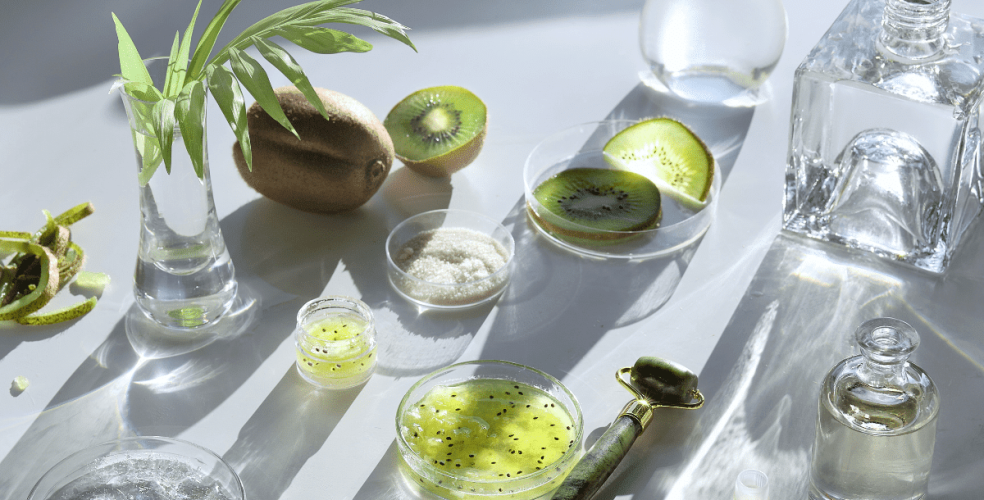
Botanical extracts refine how skincare products support healthy, radiant skin. With antioxidant-rich, soothing, and rejuvenating properties, these plant-derived ingredients deliver a gentle yet effective alternative to synthetic compounds.
If you’re looking to incorporate high-quality botanical essences into your skincare line, understanding how these ingredients work lets you formulate an organic product that’s safe and effective.
Make the formulation even better with expert guidance from Medpak Solutions. Let’s develop innovative cosmetic formulations that combine nature’s best ingredients with advanced production methods.
Your Most Frequently Asked Questions About Botanical Extracts
Organic formulas use plant-based ingredients free from synthetic chemicals, pesticides, and artificial additives. They offer gentle and nourishing benefits to reduce the risk of irritation or adverse reactions.
Lecithin, derived from soybeans or sunflower, is a natural emulsifier that helps blend oil and water in formulations. Another plant-based emulsifier is candelilla wax, used in organic skincare products to create stable and effective textures.
Yes, organic formulas avoid harsh chemicals, synthetic fragrances, and artificial preservatives, which makes them gentler on a baby’s delicate epidermis. They use plant-based, hypoallergenic ingredients to minimize irritation. It ensures safer and more soothing skincare for infants and sensitive dermal types.
No, botanical extracts are water- or oil-based plant infusions containing beneficial compounds, while essential oils are highly concentrated aromatic essences obtained through distillation. Botanicals are milder and often used for skincare, whereas essential oils require careful dilution.