
Medpak Solutions
Cosmetic Formulation

Cosmetic formulation is at the heart of skincare and personal care products.
Whether it’s a nourishing moisturizer, a rejuvenating serum, or a gentle cleanser, the creation of these products involves meticulous planning, expertise, and an understanding of how ingredients interact with skin biology.
This is what Medpak Solutions is about—developing formulas to meet the necessities of various skin types, preferences, and concerns. We have the expertise your brand needs to offer effective skincare products to your loyal consumers.
What Is Skincare Formulation?

Cosmetic formulating refers to the process of combining various ingredients to create a cosmetic designed for application to the skin or hair. These formulations are developed to achieve specific goals, such as moisturizing, exfoliating, protecting, or enhancing the appearance of the skin. A successful cosmetic formulation balances performance, safety, and aesthetic appeal.
Formulating cosmetics is both an art and a science. The art lies in understanding consumer needs and trends, while the science involves carefully selecting and combining ingredients based on their properties and how they work together.
The Key Components of Formulations
Cosmetic products comprise a combination of ingredients—each serving a unique purpose. These components are categorized into functional groups, which contribute to the product’s texture, stability, effectiveness, and overall sensory experience.
Water (Aqueous Phase)

Water is the primary base for many formulations cosmetics. It is the solvent in which many components are dissolved and provides hydration to the skin. Water acts as a carrier for the active ingredients and helps achieve the desired texture of the cosmetic, whether it is a cream, gel, or lotion.
Emollients and Oils
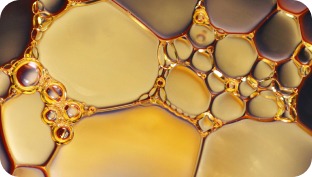
Emollients are derived from natural oils, butters, or synthetic compounds. These components reduce moisture loss and improve the skin’s barrier function. Common emollients include Jojoba oil, Shea butter and Silicones (such as dimethicone).
Emulsifiers

Emulsifiers are necessary for creating stable emulsions, especially in formulations that blend water and oils. These components combine two immiscible ingredients, like oil and water, into a uniform, smooth mixture.
Active Ingredients
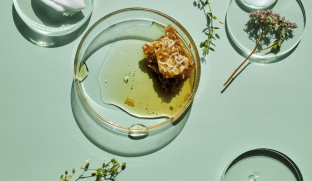
These are responsible for delivering the product’s desired effects. They can range from vitamins like Vitamin C and Vitamin E to plant extracts, peptides, and antioxidants. Active components often target specific skin concerns, such as anti-aging, brightening, or acne treatment.
Preservatives
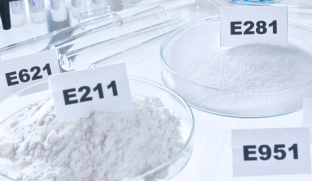
Preservatives are integral to prevent microbial growth. Since most cosmetic formulations are water-based, they are particularly susceptible to contamination. Common preservatives include Phenoxyethanol and Ethylhexylglycerin.
Thickeners and Stabilizers

Thickeners and stabilizers improve the texture and viscosity of a skincare product formulation. These components maintain consistency throughout their shelf life. Common thickeners used in the industry are Xanthan Gum and Carbomers.

Fragrances and Colorants
These are added to enhance the sensory experience of the cosmetics. While not essential for the product’s primary function, these contents contribute to the overall appeal of cosmetics. A cosmetic can use essential oils, synthetic fragrances, and natural dyes.
Selecting Ingredients: Categorization and Purpose
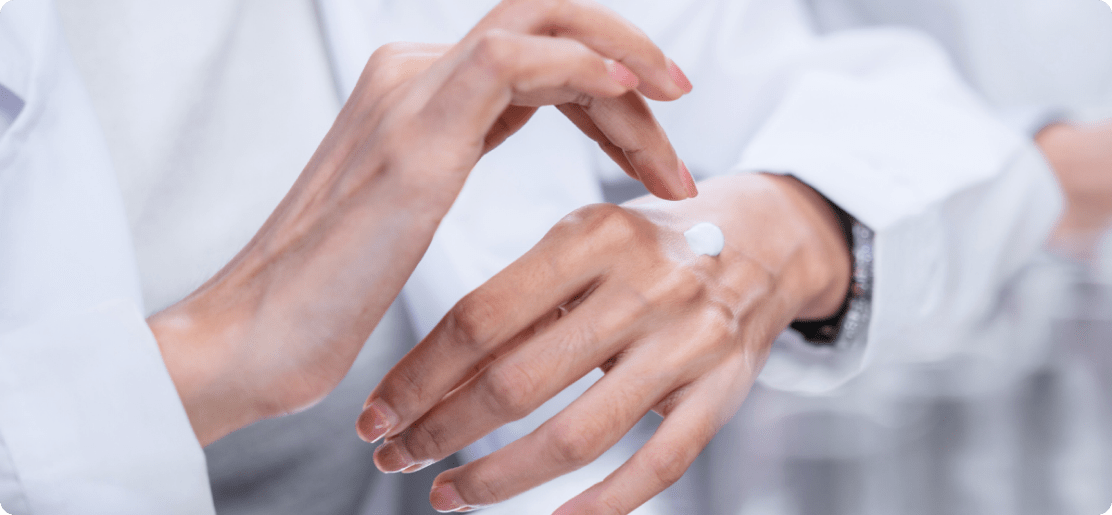
Choosing the right components for a cosmetic formulation is a tricky process that requires a thorough consideration of several factors. The key to effective ingredient selection is understanding the categories, which include:
Functional
These components are responsible for the product’s intended purpose: cleansing, moisturizing, or treating a specific skin concern. Glycerin and hyaluronic acid are popular hydrating agents. Salicylic acid is commonly used for acne treatment.
Supporting
These components improve the performance of the active ingredients or contribute to the product’s overall texture and sensory properties. These include emulsifiers, preservatives, and stabilizers.
Inert
These elements serve as carriers or bases for the active ingredients. Inert components often include water, oils, or waxes. They may not have a direct therapeutic effect on the skin but are necessary for the delivery of the active components.
Implications for Cosmetic Formulation
STEP 1
Concept Development
The first step is identifying the need or problem the product will address. Market research and consumer feedback are crucial at this stage. Once a concept is determined, the formulator selects a set of ingredients that align with the desired outcome.
STEP 2
Prototype Formulation
During this phase, different combinations are tested to create the initial version of the product. The goal is to achieve the right texture, stability, and sensory profile. The formulator will focus on achieving a product that meets functional goals while ensuring the product is aesthetically pleasing.
STEP 3
Stability and Compatibility Testing
After developing a prototype, stability testing ensures the product will maintain its integrity over time. The formulation is subjected to various conditions, including changes in temperature, light exposure, and humidity. After that, compatibility testing is performed to guarantee that the active components remain effective and that no undesirable reactions occur between ingredients.
STEP 4
Safety and Efficacy Testing
Once a stable formulation is achieved, it is tested for safety. This involves testing for skin irritation, allergies, and toxicity. Efficacy testing is done through clinical trials or consumer studies. This confirms the product performs as expected, be it for reducing wrinkles, improving hydration, or delivering other claims.
STEP 5
Final Adjustments and Production
Following successful testing, the formula is finalized and moved into production. This stage involves scaling up the formulation and ensuring the product meets the required quality control standards before packing and distributing.
Ready to Formulate Your Skincare Product?
Medpak Solutions understands the importance of high-quality cosmetic formulations. With a commitment to innovation, quality control, and client satisfaction, we provide expert guidance and formulations that cater to the unique needs of the cosmetic industry.
Developing a skincare product from scratch? Or seeking to improve your existing formula? Medpak Solutions is your trusted beauty manufacturer.
Frequently Asked Questions
Frequently Asked Questions About Private Label Cosmetic Development
What are the different forms of a finished cosmetic product?
Finished products come in various forms—each designed for specific applications and consumer preferences. Common forms include:
What is the formulation of skincare products?
This refers to the specific combination and proportions of ingredients used to create the final product. It involves selecting the right components and understanding their interaction to deliver the desired skincare benefits. The process starts with balancing the various ingredients to ensure the product achieves its intended effects.
What ingredients should be avoided in lip balm?
Parabens should be avoided in lip balms. These preservatives can weaken the skin barrier, which makes it dry, cracked, and more prone to irritation. Research has also linked high levels of parabens to hormone disruption and contact dermatitis. Common parabens to watch out for include “methylparaben” and “butylparaben (BHA).”
What types of fats are used in cosmetics?
Cosmetic products contain various natural oils and fats, including almond oil, apricot kernel oil, sesame oil, safflower oil, wheat germ oil, avocado oil, and animal-derived oils like turtle and mink oil. Cosmetic manufacturers may also use cocoa butter, particularly in suntan products, while reconstituted fractionated coconut oil is widely used in many formulations.
Let's talk about skincare formulation.
Ready to start your project? Meet with our team to discuss how Medpak can bring your skincare formulation to life.