
Medpak Solutions
Technology Transfer for Brands Switching Cosmetic Manufacturers

No manufacturer simplifies cosmetic technology transfer better than Medpak Solutions. Partner with us to streamline production and drive your brand’s success.
What is Cosmetic Technology Transfer?

This is the process of transferring technical knowledge, processes, and intellectual property from one manufacturer of skincare to another. The cosmetic industry allows brands to shift their manufacturing operations while ensuring product consistency and standards. The goal is to disseminate the necessary components to maintain the product’s integrity in a new environment.
Key elements that need to be transferred include:

Raw Materials
Ingredients, additives for coloring, flavoring, and other essential components.

Ingredient Percentage
Precise proportions necessary for accurate formula replication

Physical Samples
Samples in final packaging to aid in visualizing product appearance

Manufacturing Guidelines
Detailed procedure guidelines to ensure production consistency.

Formula Testing Data
Results from stability and performance tests for product safety and efficacy.

Performance & Stability Test Results
Test results confirming product safety and efficacy.
A Reliable Manufacturer Drives Product Success
Brands switch manufacturers for several reasons, especially when their current partner no longer meets expectations. While the decision to change can seem overwhelming, staying competitive and maintaining skincare quality is necessary.
Key reasons brands make the switch include:
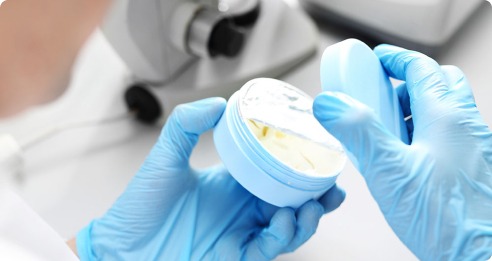
Quality Control Issues
Product quality suffers when your current manufacturer fails to meet the required standards. This can damage your brand's reputation.
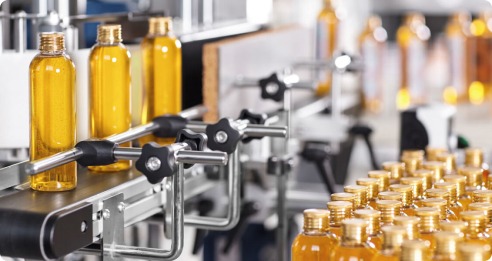
Cost Optimization
Higher development costs can eat into profit margins. Find a more cost-effective partner without compromising quality.

Innovation and Technology
Your current manufacturer may not offer new advancements in formulations, technologies, or production methods.
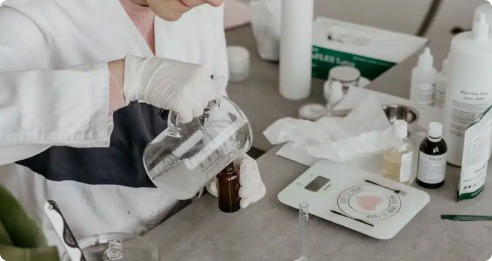
Scaling Challenges
Some manufacturers may not have the capacity to scale up production or adapt to growing demand, which is very important for brand success.
In these cases, a technology transfer is the best option. It allows your brand to work with a new manufacturer while preserving your formulation integrity, minimizing risks, and guaranteeing consistency. This strategy enables smoother transitions and opens up opportunities for growth and innovation.
How to Find A New Private Label Cosmetic Company
Finding a new manufacturer requires careful consideration and planning. Here’s a quick guide:
Research and Identify Potential Manufacturers
Start by researching skincare laboratories with expertise in your product category. Check their portfolio and certifications to ensure they meet industry standards. Look for manufacturers experienced with similar formulations.
Consider Production Capabilities
Evaluate their equipment, production processes, and scalability. A reliable skin care laboratory should have the capacity to handle your product’s production volume and ensure consistent quality.
Conduct Testing and Validation
Confirm that they conduct the necessary tests. These should include stability and safety assessments. Even small differences in production conditions, such as temperature or mixing speed, can impact the final product.
Communication and Transparency
Clear communication is important. Make sure the company is responsive and transparent about timelines, capabilities, and challenges during the production process.
But you don’t have to search for long. Medpak Solutions is here to cater to all your brand needs and demands. We can easily integrate your existing cosmetic development with our systematic approach and technology.
Medpak Solutions - Cosmetics Technology Transfer
We aim for a seamless transition from your current manufacturer to our facilities. We take every step to guarantee cosmetics integrity and efficiency.
Initial Consultation and Agreements
Our procedure begins with a detailed discussion, during which we quote the new client for their existing products. This may involve evaluating disclosure agreements to protect intellectual property and ensure confidentiality throughout the process.
Lab Sample Creation
We create a lab sample to verify that we have the necessary knowledge and capabilities for scaling up manufacturing. This is an essential step to guarantee quality during large-scale development.
Testing and Approval
Once the lab sample meets expectations, we proceed with rigorous testing. After approval, we begin full-scale manufacturing.
Ongoing Communication
Effective communication is key to our process. We prioritize open and continuous dialogue with brands to address concerns, secure smooth transitions, and minimize inefficiencies.
Accelerate Your Cosmetic Tech Transfer with Medpak Solutions

Partnering with Medpak Solutions assures your brand stays ahead in the competitive cosmetic market. Our specialized cosmetic tech transfer offers a reliable transition while maintaining your product’s effectiveness and quality.
Leverage our advanced manufacturing processes and strategic support to optimize quality, cost, and scalability. Let us guide you through smooth development, from formulation to fulfillment. Secure your brand’s success and growth with us—your ultimate partner for innovation and efficiency.
Looking for a reliable private label for skincare? Contact us today to begin your transformation.
Frequently Asked Questions
Your Most Frequently Asked Questions About Cosmetic Technology Transfer
What legal agreements are needed for a cosmetic tech transfer?
- Agreement to Transfer and Use Technology: Clear terms outlining the transfer and use of proprietary or non-exclusive technology.
- Rights to Transfer to Third Parties: A decision on whether the right to use the technology can be transferred to other parties.
- Scope of Tech Transfer: An agreement specifying which areas of technology are included in the transfer.
- Technology Improvement Rights: Clarification on who has the right to improve the technology and access updates.
- Exclusive or Non-Exclusive Distribution Rights: Agreement on whether the rights to distribute and sell products made with the transferred technology are exclusive or non-exclusive.
- Territorial Rights: Terms regarding the geographical regions where products made with the transferred tech can be sold.
- Additional Rights: Negotiation of other rights related to the use and development of the transferred technology.
What are common challenges in a tech transfer?
The process can face several challenges, primarily due to incomplete or withheld information. Manufacturers may not share all the details, which makes it harder for others to replicate the process. This leads to extra time, research, and testing. Other common challenges include:
- Organizational and cultural barriers
- Packaging compatibility issues
- Time constraints and training limitations
- Lack of clear policies or agreements
- Regulatory compliance and raw material sourcing
- Language and communication barriers
- Environmental factors
What documentation and information do you need from us to ensure a successful tech transfer?
Our process is simple and efficient. To get started, we primarily need the key details of your current product. If you have a formula or relevant documentation, that’s helpful, but not required. In many cases, formulas provided by brands need adjustment, and our expert chemists are skilled at redeveloping them if necessary. Normally, we can complete this process within one to two weeks.
How do you ensure reliability as a cosmetic manufacturer? What can I expect in terms of manufacturing capabilities and lead times?
Reliability in cosmetic manufacturing depends on the consistency of raw material suppliers. For example, if your formula requires 20 materials and one supplier experiences a delay, we cannot begin manufacturing, even if the other 19 materials are ready.
We prioritize clear communication. Our team will report on any missing materials, reasons for delays, and our expected resolution time. While most delays are resolved within 20 days after the deposit, issues with single-source suppliers may take up to two months. If delays persist beyond that, we explore alternative materials to keep production on track and meet deadlines efficiently.
Seamless Technology Transfer
Switching manufacturers shouldn’t be complicated. Our streamlined technology transfer process makes it effortless. Let’s build a better manufacturing solution together.
