A long day under the sun can leave skin feeling dry, dull, and tired. Over time, environmental stressors and natural aging slow down the skin’s ability to repair itself. This is where key ingredients like collagen, peptides, and retinol come into play.
These components work within skincare formulations to support cellular renewal and dermal repair. Their role in cosmetics manufacture is consequential, as they contribute to the development of products that stimulate a smoother, more youthful complexion.
Understanding how they function at a cellular level provides insight into why they are widely used in advanced skincare solutions.
Cellular renewal is a natural cycle that keeps the skin functioning properly. New cells substitute older ones to maintain a healthy and balanced epidermis. Skin regeneration happens through two main mechanisms:
According to the 2010 review “Making an Epidermis,” the epidermis relies on stem cells to generate fresh layers. A full turnover occurs every 40 to 56 days. As we age, this process slows down. It sometimes takes up to 84 days in individuals over 50.
Several factors influence this cycle, including:
Aspect | Details |
Main Amino Acids | Glycine, Proline, Hydroxyproline |
Primary Function | Provides strength, elasticity, and support to tissues |
Synthesis Location | Begins inside fibroblasts, completed outside the cell |
Key Nutrients | Vitamin C, Zinc, Copper, Manganese |
Structural Form | Triple helix of polypeptide chains |
Aging Effects | Slower production, weaker fibrils, reduced elasticity |
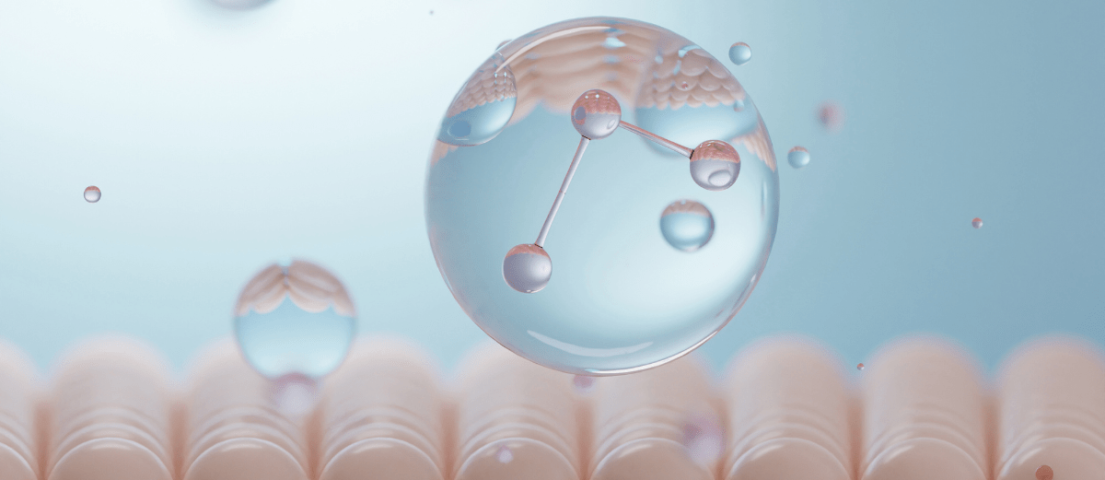
It’s a structural protein that makes up approximately 30% of the body’s total protein—essential for maintaining dermal elasticity, wound healing, and overall tissue integrity.
Collagen gives solidity and support to the skin, muscles, bones, and connective tissues. While the body produces it naturally, factors such as aging and environmental stressors contribute to its decline.
It is composed of three polypeptide chains twisted into a triple helix, along with the primary amino acids. This structure allows proteins to withstand mechanical stress while maintaining flexibility.
Our body requires sufficient levels of vitamin C, zinc, copper, and manganese to facilitate proper synthesis. The production occurs both inside and outside the cell—called Intracellular and Extracellular.
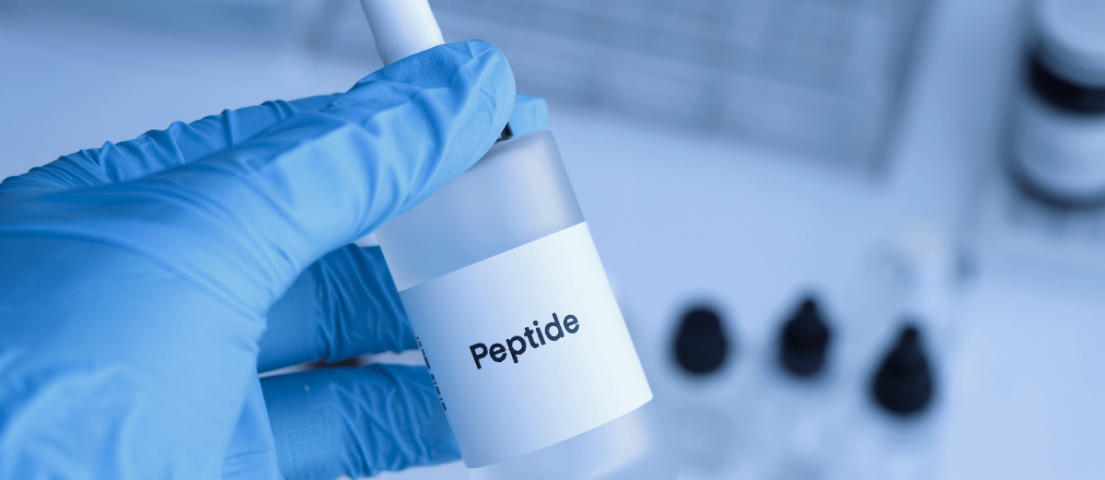
These molecules influence cell signaling pathways, promote collagen production, and accelerate wound healing. The biocompatibility of peptides and the ability to interact with cellular structures make them valuable for regenerative medicine and dermatology.
Various bioactive peptides play roles in dermal restoration and maintenance.
The presence of ROS (reactive oxygen species) in aging skin contributes to cellular damage. This can also lead to inflammation and reduced collagen levels.
Environmental stressors like ultraviolet (UV) radiation, pollution, and smoking accelerate this process. Peptides with antioxidative properties neutralize ROS to protect dermal cells from premature aging.
Cosmetic applications of peptides focus on improving derm health by targeting oxidative stress, promoting hydration, and reducing the appearance of fine lines. Researchers have developed chimeric peptides, such as RGD-GHK and sOtx2-GHK, to improve peptide binding with cell surface receptors. These modified peptides can help strengthen the dermal barrier and support long-term tissue repair.
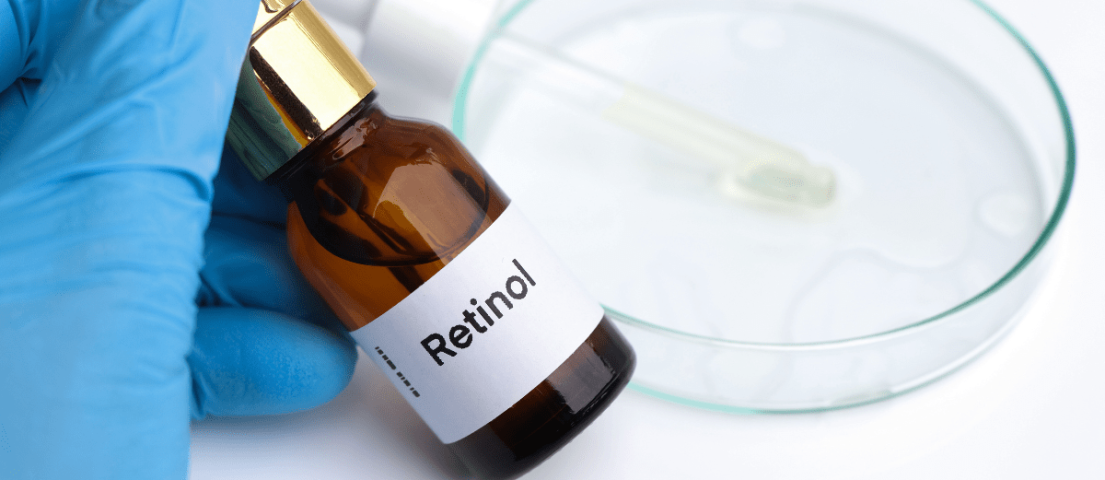
When applied topically, retinol penetrates the epidermis and stimulates basal cells—the foundation of cell renewal. It encourages these cells to divide more frequently to shorten the time it takes for new cells to replace old layers. This accelerated process clears away damaged cells that contribute to uneven texture and hyperpigmentation.
Beyond promoting faster renewal, retinol also improves the skin’s ability to shed dead cells effectively. It unclogs pores for fewer breakouts and a smoother complexion.
One of the most significant benefits of retinol is its role in boosting collagen synthesis. As the body ages, the production declines that leads to sagging and wrinkles. Retinol slows this breakdown by signaling fibroblasts to remain active. Over time, this results in a plumper, more resilient epidermis.
Beyond its anti-aging benefits, retinol addresses various dermatological concerns:
Acne & Pore Size | Increases cell turnover and prevents clogged pores. Reduces breakouts and refines pore appearance. |
Hyperpigmentation & Dark Spots | Disrupts excess melanin production to fade sunspots, age spots, and post-inflammatory hyperpigmentation. |
Acne Scars & Texture | Encourages new collagen formation to improve skin texture and reduce the depth of scars. |
Melasma | Lightens patches of excess pigmentation (though results take time and require sun protection). |
Psoriasis & Stretch Marks | Slows excessive cell growth in psoriasis and enhances elasticity in areas prone to stretch marks. |

Collagen, peptides, and retinol are powerhouse ingredients that work synergistically to promote cellular renewal, improve dermal elasticity, and enhance dermal repair. Their ability to support derm health makes them essential in advanced skincare formulations.
If you want to target fine lines, hyperpigmentation, or hydration, these ingredients can help deliver a radiant, youthful complexion. Partner with the leading cosmetics manufacturer to create high-quality skincare formulations backed by science and innovation.
Contact Medpak Solutions today.
Your Most Frequently Asked Questions About Derma Repair
Yes, these ingredients can be mixed in a well-balanced formulation. Peptides and collagen support hydration and repair, while retinol boosts cell turnover. However, this requires the expertise of chemists and formulators to guarantee safety and efficacy.
It is commonly found in serums, creams, masks, and moisturizers. These products aim to improve dermal elasticity, hydration, and firmness. Some also contain hydrolyzed collagen to enhance absorption and effectiveness.
Yes, they are widely used in skincare formulations. Advanced manufacturing techniques allow for high concentrations of bioactive peptides in serums, creams, and masks to support cell renewal, hydration, and anti-aging benefits.
Retinol is a type of retinoid, but they differ in strength and function. Retinoids are a broader category, including prescription options like tretinoin, while retinol is a milder, over-the-counter form that converts gradually into its active form in the skin.