Mud masks claim to detoxify, purify, and nourish the skin. But are these benefits worth the hype, especially for brands looking to enter the skincare market? As a facial mask manufacturer, we’ve seen firsthand how effective mud masks can be when formulated and marketed correctly.
They offer scientifically proven skin benefits and meet the growing demand for natural, sustainable products. Let us explore the real value of mud masks and whether they can be a worthy investment for your brand.
Mud masks are a popular skincare solution that purifies and rejuvenates the skin using natural elements. As the skincare industry shifts toward natural and sustainable solutions, mud masks offer more than a beauty trend.
The global facial mask market, including mud masks, was valued at approximately $6.4 billion in 2022, with an expected growth rate of 6.5% annually through 2027. Mud masks, in particular, have seen increasing demand as consumers prioritize natural and sustainable skincare solutions.
Key demographic data shows that:
Medpak Solutions, a facial mask manufacturer, offers practical solutions to help you meet your customers’ needs and succeed in the mud mask industry.
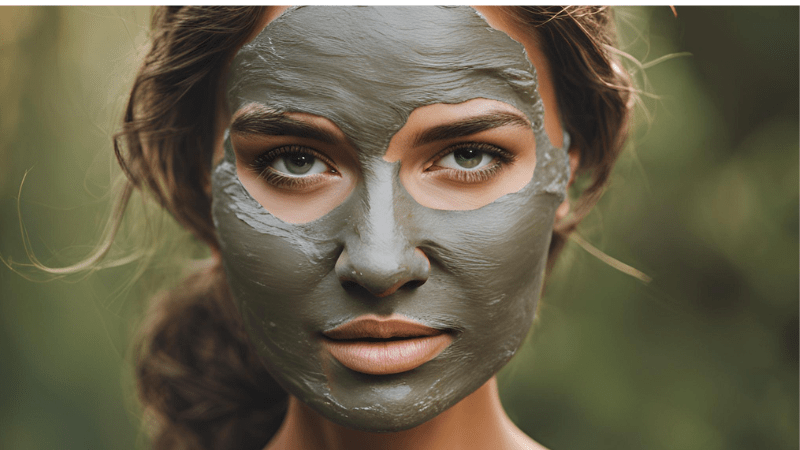
Pharmaceutical and manufacturer of cosmetic use clay minerals for multiple purposes. These include acting as excipients due to their rheological properties and serving as biologically active substances based on their chemical composition. Clays are essential in cosmetics because they are easy to apply, quick to remove, and dry and harden efficiently. They are also safe for the skin.
When used as facial masks, clays like kaolinite or smectites can be applied at room temperature when mixed with water.
Applying clay mixed with water at high temperatures is necessary to treat dermatological issues like blackheads, acne, spots, and seborrhea. The heat helps increase perspiration, stimulates sebaceous secretions, opens pores, and activates metabolic processes. This enhances the skin’s ability to eliminate toxins.
Clay minerals used in the industry originate from natural sources, although some can also be synthesized. Synthetic clay minerals available on the market possess specific properties and uses but are more expensive than natural minerals. These minerals belong to the phyllosilicate family, consisting of aluminosilicates that contain significant amounts of potassium (K), magnesium (Mg), calcium (Ca), sodium (Na), and iron (Fe), along with smaller quantities of titanium (Ti), manganese (Mn), or lithium (Li).
The phyllosilicate family is divided into various groups, with each group containing several species. There are dozens of phyllosilicates, classified according to their crystalline structure, chemical properties (such as composition, surface chemistry, and charge layer), and physical properties (such as morphology and particle size).
Each type of clay with potential cosmetic applications has a specific dermatological indication, ideally linked to its chemical composition, crystal structure, and the presence of associated minerals, which affect the skin.
Commonly available information is often helpful but incomplete. For instance, yellow clay is used to combat bacterial infections, red clay is effective for skin cleansing, blue clay helps treat acne, green clay reduces oil secretion from sebaceous glands, and black clay is used for skin nourishment.
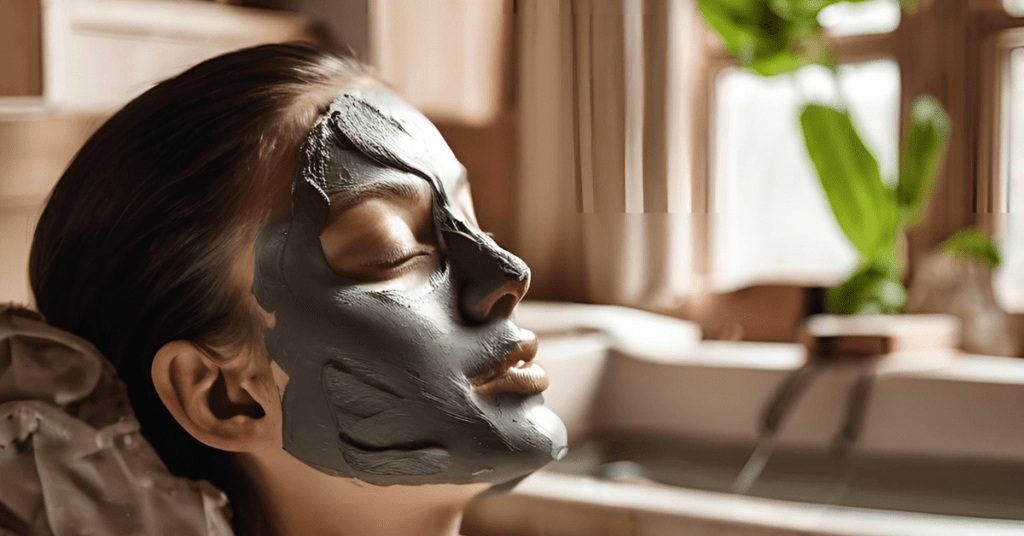
Clays in facial masks are highly absorbent. They effectively remove excess oils, toxins, bacteria, and viruses from the skin. They also have a tightening effect as they harden and contract when water evaporates, causing mechanical stress on the skin.
The chemical and mineral composition of clays influences their effects on the skin. For instance, red clay is ideal for dry skin, while green clay is better suited for oily skin.
During short-term application, the primary effect of clay masks is hardening and contraction as water evaporates, which results in a tightening sensation. Additionally, clays form a protective film on the skin, reducing transepidermal water loss (TEWL) and enhancing skin hydration. Users perceive this tightening effect as an increase in firmness.
Although the study expected to observe an increase in skin firmness 20 minutes after mask removal, this was not observed. The 20-minute interval allowed the skin to dry completely after removing the mask with distilled water, which may have influenced the evaluation of skin properties. The composition of different clays did not affect skin viscoelasticity in the short-term clinical study.
However, long-term use of clay formulations could provide more benefits. Previous studies have shown that applying clay to rats for seven days increased collagen fiber production, suggesting potential long-term advantages for the skin.
These masks are highly absorbent and can strip the skin of natural oils, leading to excessive dryness. This is particularly risky for individuals with already dry or sensitive skin, as it can cause flakiness and irritation.
Some people may experience irritation, redness, or allergic reactions from the minerals or additives. Those with sensitive skin should patch-test products beforehand to avoid adverse reactions.
Using too frequently can disrupt the skin’s natural oil balance, increasing oil production or breakouts. Overuse can strip the skin’s moisture barrier, leaving it vulnerable to environmental stressors and irritation.
If not rinsed off thoroughly, the residue can clog pores and cause breakouts. Ensure that the mask is fully removed to avoid exacerbating acne or blackheads.
The tightening effect of clay masks may feel uncomfortable for some users, especially if the mask is left on for too long. This can cause temporary tightness or even small skin surface cracks.
Due to their drying and tightening properties, it may worsen symptoms for those with eczema, rosacea, or other inflammatory skin conditions. Individuals with these conditions should consult a dermatologist before use.
Some masks can increase skin sensitivity to the sun, especially if they exfoliate the skin. After using a clay mask, applying sunscreen and avoiding prolonged sun exposure is important to prevent sunburn or hyperpigmentation.
From both a technical and marketing standpoint, mud masks can indeed be worth the hype, especially for cosmetic brands aiming to tap into the growing demand for natural and results-driven skincare products.
Mud masks, specifically those made from clays such as bentonite, kaolin, or Dead Sea mud, offer unique skin benefits due to their mineral-rich composition. They act as natural detoxifiers by absorbing excess oil, impurities, and toxins from the skin’s surface.
Their high mineral content (including magnesium, calcium, potassium, and silica) helps improve skin hydration, boost circulation, and promote overall skin health. The tightening effect of mud masks from water evaporation also temporarily firms and smooths the skin, making them attractive for anti-aging treatments.
Depending on the formulation, mud masks can cater to various skin types and concerns—offering hydration for dry skin, oil control for oily skin, and even calming properties for sensitive skin. This versatility enhances their value as a staple in a skincare line.
From a marketing standpoint, mud masks align with several key consumer trends in the beauty industry—natural ingredients, sustainability, and multifunctional products.
As consumers prioritize clean beauty, mud masks, derived from naturally occurring clays and minerals, position themselves as an eco-friendly option. Brands can capitalize on this trend by highlighting the purity of their sourcing and production processes, mineral benefits, and sustainability.
A Facial mask manufacturer like Medpak Solutions believe that they make a highly engaging consumer experience, which can be a powerful marketing tool. Their application process, immediate tightening sensation, and visible results provide consumers with a ritualistic and sensory-driven skincare experience. This creates a strong foundation for social media campaigns, influencer marketing, and user-generated content (UGC), where consumers share their “before-and-after” results, further driving brand visibility.
Mud masks provide cosmetic brands with a high-value product with proven skin benefits. They meet consumer expectations for natural, sustainable, and result-driven skincare solutions. When marketed properly, mud masks can become a standout product. They boost brand reputation and customer engagement.
Hence, mud masks are a worthwhile investment.
Medpak Solutions, a leading facial mask manufacturer, offers expertise in creating high-quality, FDA-approved mud masks for brands entering this market. We ensure your brand meets regulatory standards while delivering natural, effective skincare products to consumers.