
Medpak Solutions
FDA Cosmetics
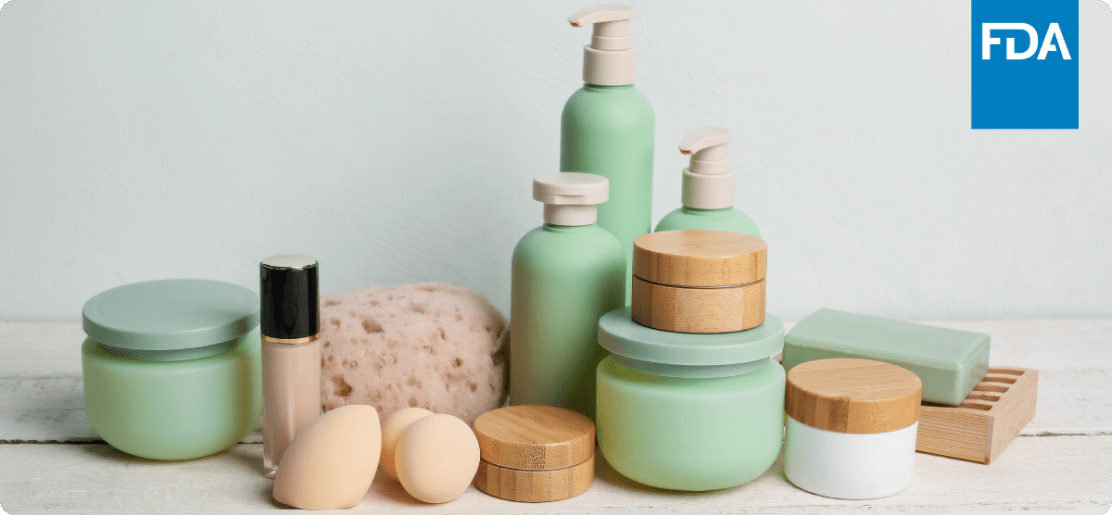
In the cosmetics and skincare industry, compliance with FDA regulations isn’t just a legal requirement; it is essential for ensuring product safety, maintaining consumer trust, and facilitating market access.
Understanding these policies can be the difference between success and costly setbacks for brands. Medpak Solutions is here to guide you through the sophistication of compliance to ensure you are offering FDA cosmetics—considering all the necessary standards.
The Role of the FDA in Cosmetics Regulation
The Food and Drug Administration (FDA) regulate cosmetics under the Federal Food, Drug, and Cosmetic Act (FDCA). This act defines FDA cosmeceuticals as products for beautifying, cleansing, promoting attractiveness, or altering appearance without affecting the body’s structure or functions.
This broad definition involves a wide range of beauty aids, including:
- Makeup
- Moisturizers
- Hair care products
- Fragrances
- Nail care items
Key Regulations Affecting Cosmetics
FDA and Cosmetics: Spotlight
Common Allergens in Cosmetic Products
These allergens fall into five categories:
Fragrances
Fragrances are found in many everyday products—with some being classified as US FDA cosmetics. However, other skincare products that contain fragrances may fall under different regulatory categories depending on their intended use.
If a product is meant to be applied to the body to improve appearance, it’s considered a cosmetic by law. Examples of fragrance products regulated as cosmetics include:
- Perfume
- Cologne
- Aftershave
Fragrance ingredients are also found in other cosmeceuticals, like shampoos, shower gels, shaving creams, and body lotions. Even “unscented” ones may contain fragrances to mask other smells.
Fragrance Ingredients Labeling
FDA cosmetics sold to consumers, whether in stores or online, must list their ingredients. However, fragrance and flavor ingredients can be listed simply as “Fragrance” or “Flavor” instead of listing each component.
This is because the Fair Packaging and Labeling Act allows brands to protect their fragrance and flavor formulas as “trade secrets.”
Cosmetic Safety & Ingredients
In the U.S., cosmeceuticals don’t need the agency’s approval before being sold, except for color additives. Brands are responsible for ensuring product safety. The agency can only take action if reliable evidence shows a product is unsafe when used as directed.
Below are resources related to commonly asked questions about beauty aids:
- Aromatherapy
- Disposable Wipes
- Hair Care (Dyes, Relaxers, Removers, and Cleansers)
- Makeup
- Nail Care Items
- Soaps & Lotions
- Tanning Products
- Tattoos & Permanent Makeup
Medpak Keeps Your Brand Compliant
We specialize in helping brands comply with FDA regulations cosmetics. Our commitment to quality manufacturing ensures your product meets all necessary cosmetics regulation. Here’s what to expect:

Comprehensive support in understanding the regulations relevant to your specific product line. Medpak navigates the complexities of compliance with clarity and confidence.

Manufacturing processes that adhere to stringent GMP standards. Rest assured your skincare offerings are produced in a safe and controlled environment.

Developing accurate and compliant labeling. You and your consumers will know all the necessary information about the product, including allergen labeling and fragrance disclosure.

We conduct safety assessments based on toxicological data to substantiate product safety.
Simplifying FDA Cosmetics for Your Brand
Compliance with the FDA is critical to your brand’s success. Medpak Solutions will help you meet regulatory standards—from product safety to proper labeling. Let us make it easier for you to keep consumer confidence intact while protecting your brand from product concerns. Contact us today and let us get your products completely compliant and ready for market.
Frequently Asked Questions
Answers to Your Most Asked Questions About FDA Regulations Cosmetics
Are essential oils and aromatherapy considered cosmetics under the FDA law?
Essential oils have no official definition, but they’re often plant-derived oils. The law treats plant-based ingredients the same as others. These are used in aromatherapy products, but they’re considered drugs if they claim to treat or prevent disease or affect the body’s function. Similarly, a massage oil meant to moisturize the skin is a cosmetic. However, if it claims to relieve pain or relax muscles, it is considered a drug or both a cosmetic and a drug.
What activities do the FDA conduct to address allergens in skincare?
The agency focuses on three main areas to address this concern:
- Monitoring reports of adverse reactions
- Researching how allergens affect the immune system
- Studying consumer habits, reaction frequency, and awareness of allergens.
What does “FDA-approved” mean?
The various sections of MoCRA tackle cosmetic safety concerns, with implementation occurring over the next 1 to 4 years. Due to efforts over the past decade, small businesses are exempt from several of MoCRA’s requirements.
How to obtain FDA approval?
To get approval, cosmetic manufacturers must perform laboratory, human, and animal clinical testing and then submit the data to the agency. The FDA and cosmetic checkers review the data and may approve if it aligns with its intended use.
Discuss your plans with us!
Ready to start your project? Meet with our team to discuss how Medpak can bring your cosmetic ideas to life.