
Business Case:
Medpak Solutions Created a Fully Natural Shampoo—No PEGS
What happens when a shampoo skips PEG ingredients? Does it compromise the performance? Many brands worry that removing these synthetics will lead to poor texture, weak lather, or reduced shelf stability.
Hair Care Brand, which has been our loyal client for years, raised this concern, and we gladly took on this challenge to develop a fully natural shampoo that delivers the same luxurious feel—without petrochemicals.
Creating a product without PEG chemicals is possible. As a cosmetic manufacturer who wants innovation, Medpak Solutions turned a concern into a breakthrough for natural hair care.
Disclaimer
We can’t disclose the brand details. So, for privacy purposes, the brand is referred to as “Hair Care Brand.”
The Problem:
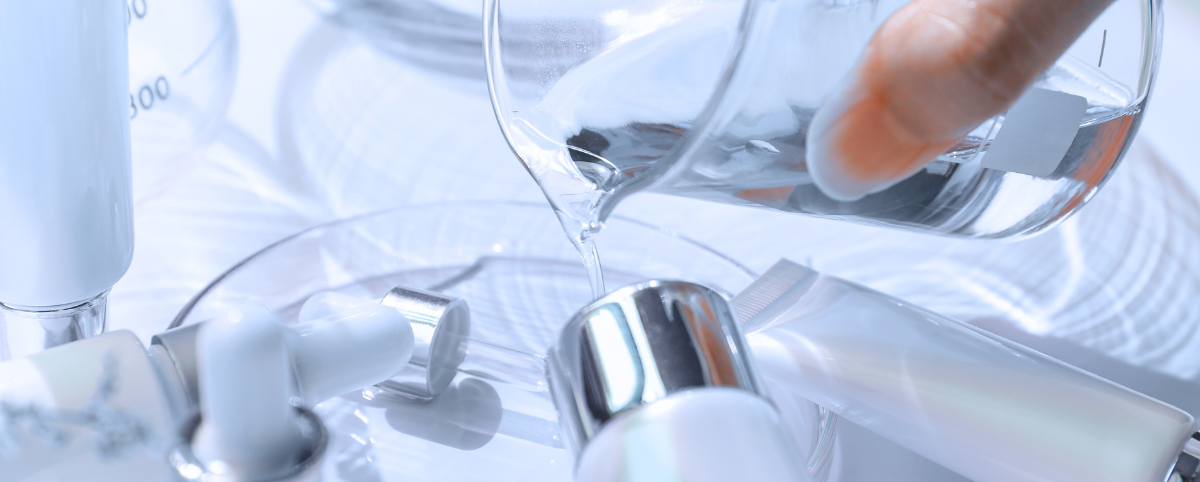
A Hair Care Brand approached Medpak Solutions with a pressing challenge: eliminating PEGs (polyethylene glycols) from its formulation while maintaining performance.
However, PEGs were central to the existing formula for providing emulsification, consistency, and enhanced ingredient absorption. So, the concerns include:
Formula Stability: Without polyethylene glycol in shampoo, there was a risk of product separation and inconsistencies in texture and performance.
Lather & Rinse Quality: PEGs contributed to the rich, foamy lather consumers expected; finding a substitute without sacrificing experience was necessary.
Ingredient Compatibility: Natural replacements had to integrate seamlessly without causing irritation or reducing efficacy.
Market Competition: With more brands transitioning to PEG-free formulations, delaying the switch could lead to lost market share.
“We understand that reformulating requires precision to maintain our brand integrity while aligning with consumer expectations,” according to the Hair Care Brand owner. “We believe in the capabilities of Medpak Solutions to develop a PEG-free formula that our customers will love.”
Solutions & Implementation:
Medpak Solutions developed a multi-phase strategy to replace PEGs without compromising product performance. Our approach focused on:
Ingredient Substitution
PEGs were replaced with a combination of plant-based alternatives, and we used:
Coconut-derived emulsifiers to maintain formula stability
Aloe vera and glycerin for natural moisture retention
Saponins from soapberries to enhance lather
Stability Testing
Over four months, the reformulated shampoo underwent the following:
pH testing to guarantee scalp compatibility
Freeze-thaw cycles to prevent separation
Performance analysis or lather and rinse quality
Consumer Trials
We tested the new formula over eight weeks. Key metrics included:
Foam quality satisfaction: 92% approval
Hair hydration improvements:87% reported softer hair
Scalp Comfort: 95% noted no irritation
Production Optimization
Medpak Solutions adjusted manufacturing processes to accommodate natural emulsifiers. This included:
Low-temperature mixing to preserve ingredient efficacy
Custom batch processing to maintain consistency
In-line quality control checkpoints to minimize variability
Successful Outcomes:
Stronger Brand Positioning: With 72% of consumers preferring clean beauty products, a PEG-free formula aligned with evolving market demands.
Regulatory Compliance: Eliminating PEGs positioned the Hair Care Brand favorably for certifications like COSMOS and ECOCERT.
Sustained Product Performance: The final formula matched conventional shampoos in lather quality and application experience but with more clean ingredients.
Consumer Trust: Transparent labeling and plant-based ingredients improved brand credibility, with a 15% boost in repeat purchases.
Improved Market Penetration: The new formulation expanded the Hair Care Brand’s reach to natural beauty retailers, which was previously inaccessible due to PEG content.
Proven Results with Medpak Solutions
The new PEG-free shampoo launched within eight months, met production deadlines, and exceeded initial performance expectations. “Based on our sales data, there’s a 20% increase in first-time buyers within the first three months, and customer feedback remained overwhelmingly positive,” says the brand owner. “Medpak Solutions really helped us a lot, especially in the formulation of our shampoo product. Their team knows what they are doing, and it reflected on the results.”
Medpak Solutions successfully developed a natural, high-performance alternative, and it only proved that it’s possible to meet consumer demands without sacrificing quality or efficiency.

It’s Time to Create Your “No PEG Cosmetics”
For the Hair Care Brand, Medpak Solutions has successfully created a fully natural shampoo free from PEGs by focusing on high-quality, safe ingredients. By avoiding potentially harmful chemicals and using plant-based alternatives, the shampoo meets consumer demands for clean beauty without compromising on performance. If you want to add a chemical-free shampoo to your hair care line, contact us today to start the development.
Frequently Asked Questions
Your Most Frequently Asked Questions About PEG Ingredients
What are the side effects of propylene glycol in shampoo?
Propylene glycol is not inherently harmful, but it can be harsh on your hair and scalp. It may lead to hair loss, scalp irritation, and itchiness by stripping away natural oils. Prolonged use can also damage the hair’s cell structure, leaving it looking brittle and unhealthy.
Is propylene glycol banned in Europe?
No, propylene glycol is not banned in Europe. It is commonly used in a variety of industries, including food, pharmaceuticals, and personal care products. However, there’s an ongoing debate about its safety and the regulatory guidelines surrounding its use.
What is another name for PEG?
The PEG (Polyethylene Glycol) ingredient is also referred to as polyethylene oxide (PEO) or polyoxyethylene (POE), with the name varying based on its molecular weight. Its chemical structure is commonly represented as H−(O−CH2−CH2)n−OH.
Is PEG toxic to humans?
PEGs in skincare are classified by the FDA as Generally Recognized as Safe (GRAS) for use in food and cosmetics. However, the production process of PEG can result in toxic byproducts, and the raw materials used to make PEG are considered highly toxic and may have carcinogenic properties.