Creating the best sensitive skin care products requires more than just good intentions—it demands a scientific approach that guarantees efficacy while maintaining gentleness. As a skincare brand, you sure face the challenge of developing formulations that not only soothe but also deliver the desired results without causing irritation.
But the question is: Are your products meeting these high standards?
In this blog, let us break down the key factors to consider when formulating for sensitive skin—from ingredient selection to testing methods. Discover how to formulate products that balance safety and effectiveness and how this can give your brand an edge in the skincare market.
Sensitive skin refers to a condition where the skin is more likely to react negatively to external stimuli that lead to irritation, redness, and discomfort. This heightened sensitivity is primarily due to a compromised skin barrier function, which is vital for protecting the skin from harmful environmental factors.
The skin’s outermost layer—the stratum corneum—consists of keratinocytes that produce proteins to maintain this barrier and keep the skin resilient. When these proteins are disrupted or depleted, the skin becomes more vulnerable to irritants and allergens.
According to research published in Frontiers of Medicine (2019), 60% to 70% of women and 50% to 60% of men report experiencing sensitive skin symptoms such as itching, stinging, and dryness. Dr. Joshua Zeichner, M.D., director of cosmetic and clinical research at Mount Sinai Hospital, states, “The biggest issue we have in treating patients who are sensitive is intolerance to the products themselves.”
That said, skincare brands face the challenge of developing products that address sensitivity without further exacerbating the problem.
Sensitive skin can be triggered by different factors, including:
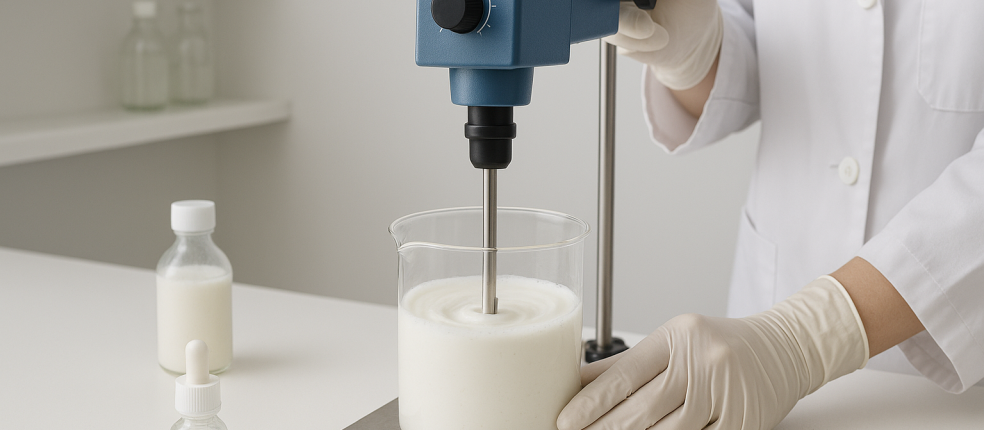
Formulating skincare products for sensitive skin requires a deep understanding of both the skin’s vulnerabilities and the ingredients that can help restore and protect its natural barrier. The goal is to create formulas that provide nourishment without triggering irritation or inflammation.
Here’s how your skincare brand can approach the challenge:
Formulations for sensitive skin must prioritize ingredients that hydrate, protect, and soothe. Below is a breakdown of these essential components:
Category | Description | Sample Ingredients |
Humectants | These components draw water into the skin, helping maintain hydration levels without causing irritation | Hyaluronic Acid, Glycerin, Propylene Glycol |
Emollients | Crucial for smoothing the skin to repair the barrier and lock in moisture. These prevent water loss and reduce roughness. | Ceramides, Squalane, Shea Butter |
Occlusives | Form a protective layer over the skin to shield it from environmental stressors and minimize water loss. | Petrolatum, Beeswax, Lanolin |
Soothing Agents | Ingredients that help calm inflammation and redness, which are common in sensitive skin. | Aloe Vera, Oatmeal, and Calendula |
Niacinamide (Vitamin B3) | Strengthens the skin barrier, reduces irritation, and improves overall texture. Non-irritating for sensitive skin formulations. | |
Panthenol (Provitamin B5) | Its calming properties improve skin barrier function and reduce the discomfort often associated with sensitive skin. | |
Allantoin | This gentle ingredient promotes healing and soothes irritated skin, making it an excellent addition to sensitive skin products | |
When we are formulating products for sensitive skin, it’s not just about choosing the right ingredients, but also about how they work together. Here we give you some tips:
If you’re targeting consumers with combination skin types (dry and oily), you may consider the following ingredients:
Creating effective sensitive skin care products requires the right ingredients. By prioritizing gentle, hydrating, and soothing elements, your brand can deliver safe and impactful skincare solutions. Partner with Medpak Solutions, the leading cosmetic manufacturer, to bring your sensitive skin products to market.
Most Frequently Asked Questions About Working With Cosmetic Manufacturer
You can incorporate retinol in the skincare formulation, but it should be introduced slowly to avoid irritation. Add lower concentrations with soothing ingredients to reduce the risk of dryness, redness, or peeling.
Sensitive skin can use Vitamin C, but it may cause irritation with higher concentrations. Add stabilized, gentle forms like ascorbic acid or magnesium ascorbyl phosphate to minimize reactions while still benefiting from its antioxidant properties.
We can add salicylic acid, but only in lower concentrations to prevent irritation. It helps exfoliate and unclog pores, but overuse can lead to dryness or peeling. The formulation should also include soothing agents to reduce sensitivity.
Hyaluronic acid is safe for sensitive skin as it hydrates without causing irritation. It draws moisture to the skin to maintain hydration and improve the skin’s appearance without compromising its natural barrier.