The process of manufacturing cosmetic products has been shaped by a rich combination of cultural, societal, and technological influences.
From the Egyptians’ use of lead in cosmetics to today’s diverse beauty standards, the industry reflects evolving ideals. Cultural and social factors, industrialization, and the media drive beauty perception.
Key trends, such as the rise of aesthetic devices, ethical considerations, and sustainability, also propel the industry’s growth. Celebrities and pop culture significantly influence beauty standards, while digital marketing and strong brand strategies are essential for staying competitive. Embracing diversity, authenticity, and innovation is necessary in redefining modern beauty.
Explore how Medpak Solutions leads the way in cosmetic product manufacturing by offering FDA-approved, high-quality solutions tailored to meet industry standards.
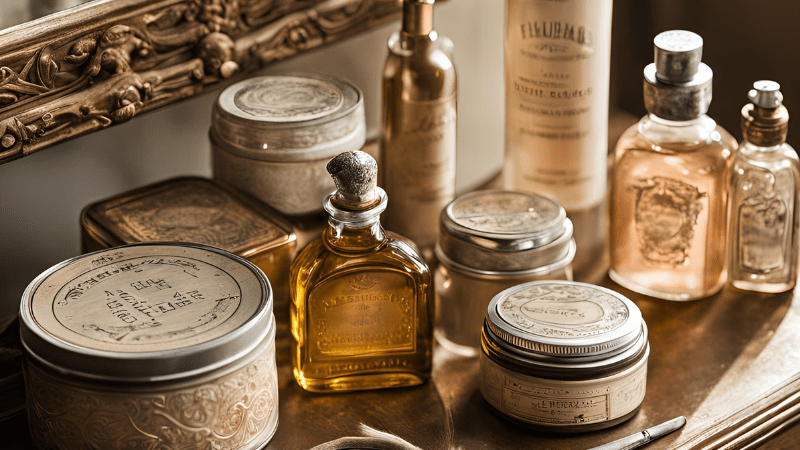
A diverse array of cultural, societal, and technological influences throughout history has molded the cosmetic industry.
Despite their limited scientific knowledge, ancient civilizations like the Egyptians, Romans, and Greeks used lead in their cosmetic routines, unaware of its harmful effects. As we transitioned into the Age of Enlightenment and Romanticism, perceptions of aesthetics developed to become more personal and emotionally charged, with an admiration for nature and the sublime.
In the contemporary age, standards of attractiveness are no longer uniform but mirror a varied mosaic of ideals influenced by cultural changes and technological progress. The 20th century ushered in a new era of commercialization of aesthetics, with cinema and advertising playing crucial roles in shaping societal norms.
Today, the discussion about aesthetics is complex, intersecting with societal norms and personal self-expression. Inclusivity and diversity now take center stage in ideals of aesthetics, resonating with the ancient philosophical debates where Plato and Aristotle contemplated the essence of attractiveness.
Our contemporary view of beauty is complex, recognizing its subjective nature and the importance of self-expression. This change towards inclusivity is philosophical and apparent in economic dynamics.
The aesthetic devices market, for instance, is projected to reach $13.4 billion in 2023, with a compound annual growth rate (CAGR) of 6.1% over the forecast period. These devices cater to a wide array of cosmetic treatments, reflecting the sector’s response to diverse consumer needs and the increasing value placed on personal well-being.
Even the cosmetic field’s merger and acquisition (M&A) landscape mirrors this dynamism, with current valuations offering distinctive chances and obstacles for market players. Strategic and financial investors find favorable conditions to invest, while existing companies are pressured to live up to their valuations.
This changing scenery emphasizes the continuous transformation of the industry, where the interaction of past influences and modern expectations continues to redefine our perception of attractiveness.
Beauty ideals range from flawless skin to curvaceous figures and unique facial features. Social media and digital influencers have reinforced these standards, portraying them as the ultimate benchmarks. This widespread portrayal drives individuals to strive for these often unrealistic or unattainable ideals.
These beauty standards have far-reaching consequences, influencing the aesthetics industry and shaping perceptions. Dove’s groundbreaking research, which surveyed 33,000 individuals from 20 countries, reveals that the concept of attractiveness is changing, with only a small percentage of women feeling beautiful. This finding highlights society’s skewed beauty ideals and emphasizes the need to shift toward body positivity and improved self-esteem.
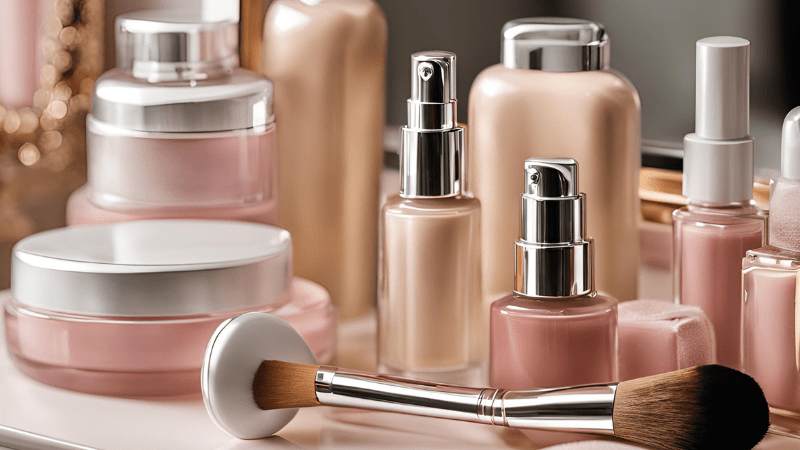
Studies show a universal “attractiveness premium,” linking beauty with success. While this does not prove causation, it reflects a cultural tendency to connect attractiveness with achievement. Though genetics influence our perception of beauty, cultural and societal perspectives ultimately shape our collective understanding of physical attractiveness.
Understanding the influence of visual cues in consumer decisions is essential, as they reveal the connection between appearance and perceived value. This shift promotes broader definitions of attractiveness and encourages self-expression. As a result, beauty standards are being redefined, with a greater focus on diversity.
The quest for the perfect skincare routine has led to increasingly complex regimens, some involving up to 15 or 20 steps, reflecting a more scientific approach to beauty. This contrasts past eras where skincare was often more rudimentary yet still a pivotal aspect of daily life across various cultures.
Misleading marketing terms like “non-comedogenic,” which imply that products won’t block pores, are common today. These claims cause consumer confusion and skepticism due to the lack of regulation. This highlights the need for transparency and evidence-based claims in the cosmetic industry.
Historical practices related to appearance have influenced contemporary beauty standards. In Korea, the ideal of fair skin, once associated with affluence and sedentary lifestyles during the Joseon dynasty, continues to shape modern aesthetics. South Korea’s reputation as the “surgical capital of the world” reflects its high beauty standards and the widespread popularity of procedures like double eyelid surgery.

Sustainable sourcing involves using raw materials that are harvested in a way that does not deplete resources or harm ecosystems.
For example, brands like Lush prioritize sourcing fair trade ingredients such as shea butter. The brand ensures that the communities involved in harvesting are paid fairly and that biodiversity is protected.
Companies are turning to biotechnology for ingredient sourcing, such as Biossance, which produces squalane through fermentation instead of traditional harvesting from shark liver oil.
The movement toward cruelty-free and vegan beauty focuses on eliminating animal testing and using animal-derived ingredients.
Brands like The Body Shop and E.L.F. Cosmetics have pioneered cruelty-free certifications, working with organizations like Leaping Bunny and PETA to ensure no animals are harmed in their product testing or development processes.
From a technical standpoint, alternative testing methods such as in vitro testing and computer-based models (in silico testing) are employed to ensure product safety without animal testing.
Medpak Solutions leads the cosmetic manufacturing industry with certifications that reflect its dedication to quality, safety, and ethics. The company holds Cruelty-Free International certification, ensuring no animal testing in its product development. It operates as an FDA-registered facility, complying with U.S. regulations for safe and effective manufacturing.
Sustainable packaging focuses on using recyclable, biodegradable, or refillable materials while reducing the overall packaging volume. Brands like Aether Beauty have removed mirrors, magnets, and other non-recyclable components from their palettes.
Mono-material packaging, which uses a single recyclable material, simplifies product disposal and reduces waste. Waterless formulations, such as those by Conserving Beauty, further reduce packaging needs. These formulations also lower transportation emissions and minimize the overall environmental impact.
Ethical supply chains guarantee that workers involved in sourcing and production are treated fairly, paid living wages, and provided with safe working conditions.
L’Oréal’s Solidarity Sourcing program collaborates directly with communities in developing countries to uphold ethical standards, particularly in sourcing ingredients like argan oil and mica.
Blockchain technology is implemented in supply chain management to enhance transparency, enabling companies and consumers to trace ingredient origins and verify compliance with fair labor practices.
The beauty industry has evolved through history, shaped by cultural, societal, and technological influences. Cultural and social factors and the impact of industrialization and media now influence beauty perception.
Successful brand strategies involve early adoption of new technologies, listening to customer feedback, and meaningful collaborations.
Understanding industry dynamics and embracing innovation help brands stay relevant in a rapidly evolving market.
Medpak Solutions stands out in cosmetic product manufacturing, delivering FDA-approved, high-quality solutions that meet industry standards. Certified by Cruelty-Free International, the company ensures that no animal testing is involved in its product development. We adhere to strict U.S. regulations for safe and effective manufacturing as an FDA-registered facility. In addition, the company holds GMP certification, guaranteeing consistent production processes and rigorous quality control.