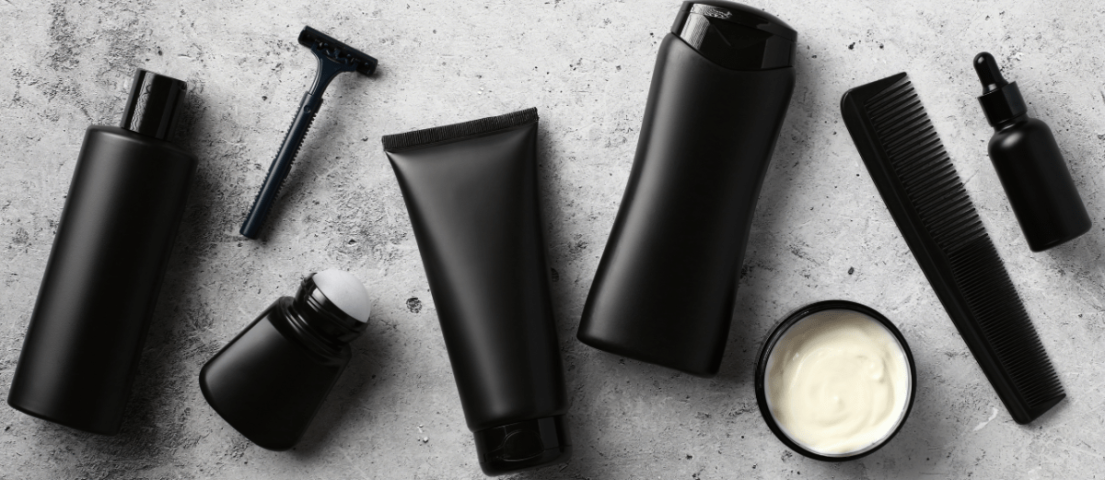
David Beckham once said, “My approach to grooming was always to steal my wife’s products.” This only means skincare isn’t just for women; men are interested in hair and body care products, too.
Besides Beckham, Pharrell Williams, with his sought-after skin regimen, and Harry Styles, with his own brand Pleasing, prove that skincare spans all genders.
But here’s the catch. Different age groups redefine body care routines, and they have unique perspectives. Baby Boomers stick to traditional shaving and aftershave, Millennials embrace anti-aging solutions, and Gen Z leads with ingredient-conscious choices.
Due to the varying preferences, companies manufacturing cosmetics products must adapt to meet the unique expectations of each generation.
According to Grand View Research, the global market of cosmetics products for men is expected to grow at a CAGR of 8% from 2023 to 2030. The U.S. market, in particular, is slightly ahead at 8.3%.
By comparison, the women’s beauty sector has a CAGR of 7.7%, but its cosmetics segment is projected at only 6.1%. This shows that men’s products are gaining momentum.
Key factors driving this growth:
Even with this growth, the market still trails women’s beauty items, which reached nearly $560 billion in 2023. Still, with more men interested in skincare, companies manufacturing cosmetics products are capturing new opportunities.
Men in the baby boomer generation take a serious interest in dermal care to maintain a youthful image. YouGov Omnibus US data revealed that 21% of baby boomers have a distinct dermal routine for special events.
According to the Global Cosmetic Industry (GCI), 61% of men believe that appearance contributes to success, which closely aligns with the 66% of women who share this perspective.
This growth has fueled a rise in the use of dermal items, with the number of men’s skincare occasions jumping from 453 billion to 557 billion.
Canadean analyst, Veronika Zhupanova, said, “This trend reflects how image-consciousness is catching up with men and baby boomers, demonstrating narrowing gender and age disparities in the beauty market.”
Despite marketing efforts focusing on younger demographics, baby boomers prove that their interest in beauty routines is getting stronger. Cosmeceutical companies catering to this generation have an opportunity to introduce effective solutions that align with their expectations.
In men’s grooming, millennials are leading the charge. This generation values a balance between masculinity and self-care to redefine how men approach their appearance. Looking sharp, feeling confident, and maintaining healthy skin has become just as important as staying fit or dressing well.
Facial hair is a signature style for many Millennial men. Beards have made a major comeback, and even those who prefer a clean-shaven look tend to shave less frequently. Research shows that over 40% of men who shave don’t do it daily, opting instead for a more relaxed grooming routine.
Those with facial hair keep it well-maintained using:
For those who prefer a close shave, a simple three-step routine works best:
Millennials are selective about what goes on their skin. They read ingredient lists, research brands, and prefer natural formulas over chemical-heavy drugstore options.
Organic grooming items have gained popularity for their hydrating and skin-nourishing properties. These formulas support healthier skin while helping to slow down the aging process.
Millennials focus on long-term dermal upkeep, with more males turning to anti-aging routines earlier in life. A simple routine helps slow down signs of aging:
Grooming is becoming more than just a routine for younger men—it’s about confidence, self-expression, and personal care. This change opens new opportunities for brands willing to adapt.
Genderless branding gains popularity. Traditional men’s grooming products still have a place, but younger men embrace gender-neutral body care. They prefer modern, adaptable products over those strictly labeled.
Some men prefer classic, functional formulas, while others are open to experimenting. This mix drives innovations that can lead to fresh grooming options for modern preferences. In fact, 28% of Gen Z boys have separate grooming routines, which is the highest among all generations.
As the name suggests, “influencers” shape how Gen Z approaches grooming.
Products | Gen Z | Millennials | Boomers |
Body Wash | 68% | 60% | 37% |
Face Wash | 35% | 28% | 10% |
Hairspray/gel | 23% | 13% | 10% |
Razors | 33% | 47% | 79% |
Shaving cream/gel | 21% | 32% | 64% |
Men’s care is no longer a niche—it’s a growing industry due to evolving attitudes across generations. The market diversifies, with Baby Boomers embracing anti-aging solutions, Millennials prioritizing self-care, and Gen Z redefining gender-neutral grooming.
As males continue to invest in body care, the opportunity for cosmetics manufacturers is bigger than ever. So, if you’re looking to develop modern grooming formulas, Medpak Solutions is your trusted partner in cosmetics manufacturing.
Frequently Asked Questions About Beauty Industry
The routine should include a gentle cleanser, exfoliator, moisturizer, and sunscreen. Depending on the dermal type, specific treatments like serums or shaving creams may also be beneficial for added care.
Yes, they need a routine to maintain healthy skin, prevent issues like acne or aging, and protect against environmental damage. Regular care helps to improve dermal appearance, texture, and overall health
Yes, guys can use feminine care formulations. The primary difference lies in formulations, which may vary based on skin type or needs. Both genders can benefit from similar active ingredients, but males may prefer products with a more masculine scent or packaging.
Male skincare is unique due to differences in dermal thickness, oil production, and shaving habits. Because male skin tends to be thicker and oilier, formulations must address these specific concerns while also focusing on post-shave maintenance.