Glass skin, snail mucin, and 10-step routines—South Korea has turned skincare into an art form and a booming global business. Once a niche market, the manufacturing of beauty products in Korea now fuels an industry worth billions (even rivaling Western giants).
But how did K-beauty rise from local traditions to international fame? The answer lies in innovation, affordability, and a deep cultural focus on skincare.
With the influence of K-pop and K-dramas, Korean cosmetics have become must-haves worldwide. Today, let’s explore the unstoppable rise of K-beauty and its lasting impact on the industry.
Amorepacific, the company behind Laneige, Innisfree, and Etude House, holds a considerable market share. Its brands are known for research-driven formulations and nature-inspired ingredients.
LG Household & Health Care, another key player, owns The Face Shop and su:m37. They offer products that blend traditional Korean beauty rituals with modern technology.
But beyond that, the retail landscape is transitioning. While original brand shops once dominated, multi-brand stores have taken over.
OG brand shops such as Innisfree and The Face Shop became widespread in the early 2000s. Lately, H&B stores and multi-brand stores like Sephora and Olive Young have emerged in offline cosmetics distribution.
Below are new players that have entered the scene:
The current trend is the rise of DIY body care. DIY hair coloring, nail care, and care in other categories are fetching new customers within the country.
Korean start-ups are also attracting international attention through creative branding and packaging. Product companies invest more in packaging by making them more attractive and creative to accentuate the attributes of the products. However, several companies are strategically acquiring start-ups and brands to stay on top of the market trends.
The famous 10-step beauty routine has evolved since its introduction to the U.S. market. This was once misunderstood as a rigid, literal regimen. “It wasn’t literal,” says David Yi, Good Light Skincare founder. He’s referring to Charlotte Cho’s original concept of showcasing different skincare steps for achieving the Korean beauty look.
Over time, however, routines have simplified. As the representative from the Korean skincare brand, CosRx, explains, “In recent years, there has been a growing movement towards simplified skincare routines, influenced by time constraints, minimalism, and a desire for more streamlined regimens.”
Today, many prefer “no-fuss skincare” with effective, targeted products. This means moving away from extensive layering. Influencers are now promoting simpler routines, often starting with a gentle cleanser, followed by a serum, moisturizer, and sunscreen—ideal for those with sensitive skin.
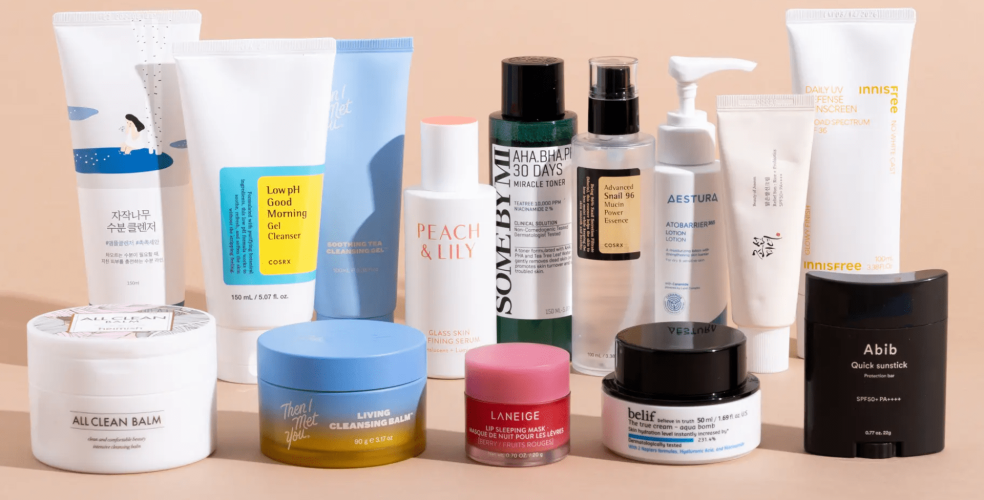
The unique formulas and focus on glowing skin have made Korean body care a favorite among cosmetic lovers.
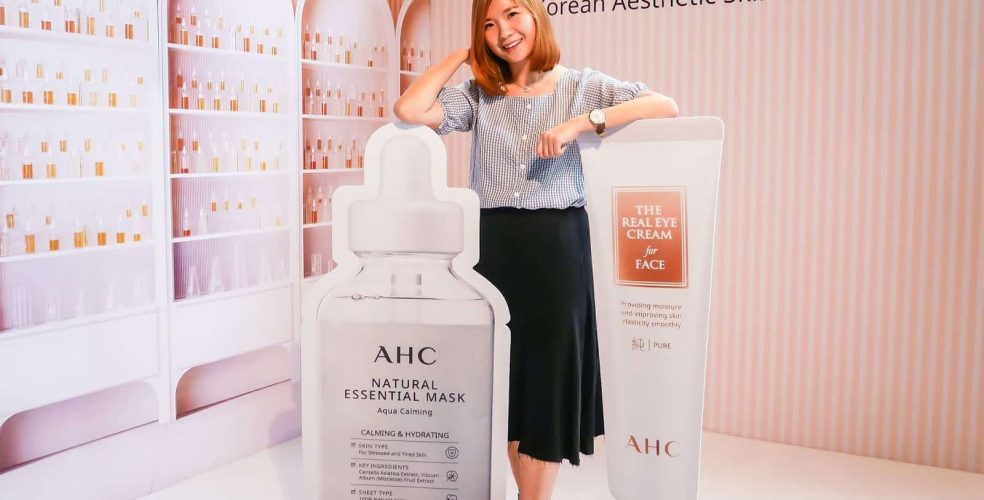
Korean brands make a big impact worldwide, thanks to partnerships with global companies. These collaborations bring Korean products to new markets and introduce unique body care formulas to more people.
In November 2022, L’Oréal announced a collaboration with Shihyo, a Korean brand known for its use of 24 herbal ingredients and fermented rice in skincare. This reflects the influence of K-beauty in refining global body care trends.
In April 2024, Able C&C, a South Korean cosmetics firm, extended its partnership with Japan’s discount chain Daiso to launch an affordable line of makeup. This follows their first skincare collaboration.
K-beauty’s rise from local traditions to a global phenomenon proves its everlasting influence on the cosmetic industry. With a focus on high-quality ingredients, advanced formulations, and strategic collaborations, Korean body care and cosmetics continue to shape trends worldwide.
As the industry grows, it’s the perfect time for every brand to seek a reliable cosmetic manufacturer that can incorporate the latest trends. If you’re looking to make an impact in the market, partnering with Medpak Solutions is the first step toward success.
They offer solutions for all skin concerns, from dry to oily skin. Many products are formulated with soothing ingredients like heartleaf and snail mucin that makes them ideal for sensitive skin
They focus on gentle yet effective formulas with natural ingredients, advanced body care technology, and multi-step routines. Products are formulated to enhance hydration, brighten skin, and promote long-term health.
Korean skincare is focused on prevention, with people taking steps early to avoid issues like wrinkles. It’s a deeply ingrained cultural practice, with affordable, gentle products aimed at long-term hydration and nourishment. In contrast, American skincare emphasizes quick fixes and is less accessible due to higher costs and less widespread skincare education.
South Korea passed a law in 2016 to phase out animal testing for cosmetics, which was fully enforced by 2018. Many Korean companies supported this change, which reflects consumer demand for cruelty-free products, as noted by Martin Mallon of Cruelty International.