Consumers want to ensure the skincare products they buy are clean and are coming from organic private label cosmetics. They prioritize quality ingredients and are concerned about the production methods behind the ingredients. This is where transparency becomes very important.
Given the significant emphasis consumers place on sustainable product options when choosing what to buy, cosmetics and personal beauty product manufacturers have a strong motivation to integrate transparent messaging into their branding and marketing efforts.
Alongside clearly labeled packaging, ingredient transparency stands out as one of the most powerful ways companies convey their commitment to sustainability to consumers.
Cosmetic formulation can be a tricky process. Working with a reliable cosmetics manufacturers is important to adhere to standards.
Aromatic compounds are added to cosmetic products to provide a pleasant scent. They can be natural or synthetic and are used in various formulations.
Added to formulations to prevent the growth of microorganisms and extend the product’s shelf life. Necessary for maintaining product safety and efficacy.
Used to add color to cosmetic products. They can be natural or synthetic and are used in various formulations to enhance appearance.
Emulsions are mixtures of water and oil phases, stabilized by emulsifiers. They form the base of many skincare and cosmetic products, such as creams & lotions, deliver hydration and smooth texture.
Clear, water-based formulations that are thickened with gelling agents. They are lightweight, non-greasy, and quickly absorbed. Ideal for products like serums and hair styling aids.
Formulations where solid particles are dispersed in a liquid medium. They require stabilizers to keep the particles evenly distributed and are commonly used in products like exfoliants and sunscreens.
Homogeneous mixtures where active ingredients are dissolved in a solvent, usually water or alcohol. They are used for products like toners, astringents, and some serums.
Thick, oil-based formulations that provide an occlusive barrier on the skin. Used for their moisturizing properties and to deliver active ingredients in a concentrated form, often in medical or therapeutic skincare.
Pastes are thick formulations containing a high concentration of solid particles suspended in a base. They provide a protective layer and are used for products like diaper rash creams and acne treatments.
Emulsions with a higher oil content, providing rich hydration and creating a barrier to lock in moisture. They are used for both moisturizing and delivering active ingredients in products like anti-aging and night creams.
Identify the demographic you aim to serve, such as age group, skin type, or lifestyle. For example, a consumer might need a moisturizer for dry, sensitive skin that doesn’t irritate. Understand this target market’s specific challenges and desires, such as the need for hypoallergenic products or eco-friendly packaging.
Define clear, quantifiable targets for your product. For instance, aim for a moisturizer that improves skin hydration by 50% within two weeks. You may also include using 95% natural ingredients and maintaining a pH level suitable for sensitive skin.
Establish a timeline and budget for development. For example, allocate two months for ingredient research and sourcing, four months for formulation and testing, and one month for packaging design.
Budget for costs, including raw materials, laboratory testing, packaging, marketing, and contingency funds for unforeseen expenses.
Your cosmetics manufacturers should identify what makes leading products in the market successful.
If a competitor’s foundation is praised for its lightweight feel and long-lasting coverage, these features can be pivotal in driving sales and customer loyalty.
When one major brand introduces a popular formulation, such as a vitamin C serum, that reduces dark spots, other companies rush to develop similar products to capture market share.
Dive deep into customer feedback on popular products. Positive reviews can highlight beneficial features, such as a non-greasy moisturizer yet hydrating.
On the flip side, negative reviews provide critical insights. For instance, if multiple customers report allergic reactions to a particular preservative in a competitor’s cream, this feedback signals a need to reconsider its inclusion in your formulation.

Brainstorm innovative ideas with your team. Ask the following questions to help the team reach your set objective:
Create a detailed formulation plan, including ingredient percentages. For a hydrating facial serum, you might outline the following example:
Choose a manufacturer that adheres to FDA guidelines for cosmetics to ensure safety and proper labeling.
When sourcing high-quality raw materials from trusted suppliers, asking your cosmetic manufacturer specific technical questions during a consultation is important.
Inquire about the supplier’s quality control processes: “What steps do you take to ensure the purity and potency of your raw materials?”
Ask about their traceability protocols: “Can you provide detailed traceability reports for your raw materials to verify their origin and quality?”
Documenting the process to ensure consistency is also important.
Start by creating comprehensive standard operating procedures (SOPs) that detail each step of the formulation and production processes. This includes precise measurements, mixing times, and conditions for each ingredient.
Evaluating the prototype for initial performance and texture involves several key steps. Conduct sensory evaluations with a small panel of testers to gather feedback on the product’s feel, scent, and ease of application. Pay attention to immediate impressions and any delayed reactions over a period of use.
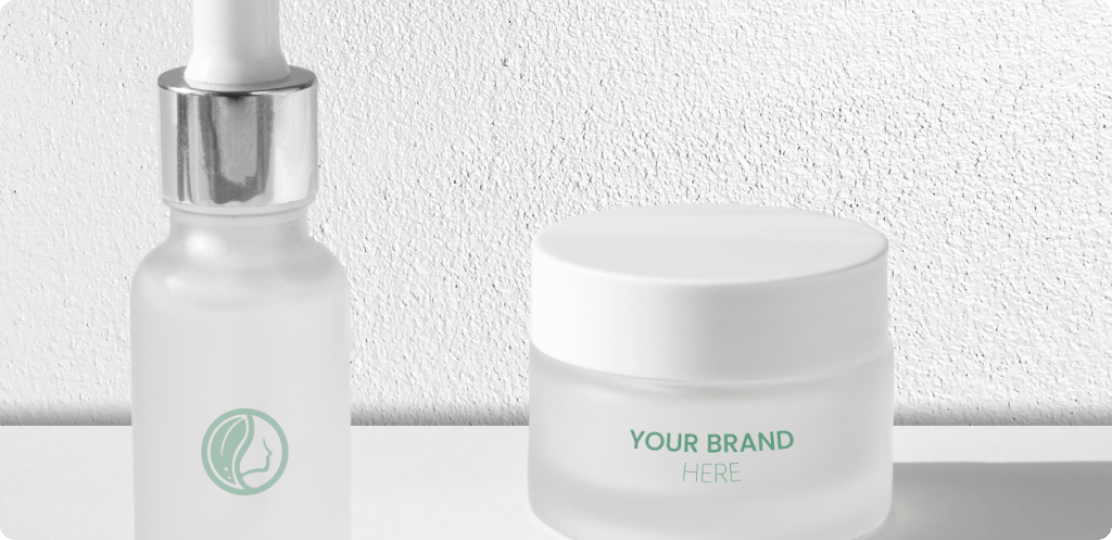
Choose packaging that protects the product from contamination.
Here are three packaging options to consider:
Ensure packaging is compatible with the formulation to prevent adverse reactions and maintain product stability. If incompatible, it can lead to risks such as chemical reactions between the formulation and the packaging material, which can degrade the product or release harmful substances.
Essential oils can degrade certain plastics, leading to product contamination and low efficacy. Improper packaging can result in leakage, evaporation, or changes in texture and scent.
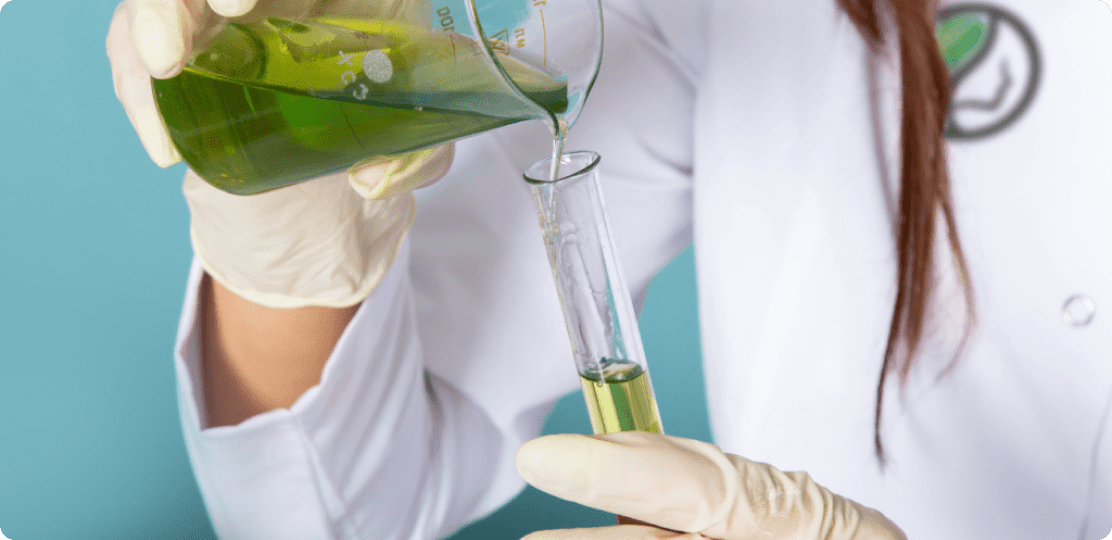
Test the formulation under various environmental conditions. Your team can test environmental stability by creating controlled conditions that simulate different climates.
Check for changes in color, odor, and texture over time. Indications of instability include discoloring the formulation (e.g., turning yellowish or brownish), which can suggest oxidation or degradation. The product’s odor changes (e.g., developing a rancid or sour smell) may indicate spoilage or chemical breakdown.
Changes in texture, such as separation of phases in emulsions, clumping in powders, or crystallization, signal that the formulation might be compromised. Document these observations meticulously to identify patterns or triggers that cause these changes.
Document all findings to support product claims and regulatory compliance:
Medpak Solutions offers full support from concept to shelf. We understand that cosmetic formulation can be lengthy and complex, involving meticulous planning, ingredient selection, and testing. We keep a smooth journey from the concept to the finished cosmetic product.
Work with Medpak Solutions, your reliable private label cosmetics manufacturer. Contact us today to start creating your premium organic formulations.