Cleopatra’s kohl-lined eyes and the powdered faces of 18th-century European aristocrats show how beauty products have reflected societal values across history.
The late 19th-century Industrial Revolution brought mass-produced cosmetics into everyday homes, setting the stage for the modern beauty industry.
Cosmetic science has also undergone significant transformations. Early formulations relied primarily on plant-based ingredients, but scientific advancements led to more targeted, stable, and long-lasting products. Modern skincare now draws from biotechnology, chemistry, and dermatology.
Medpak Solutions, a private labeling skincare company, shares this progress in science and packaging. We will discuss how this transformation reshapes consumer standards and prepares the cosmetics industry for a future that values sustainability and inclusivity.
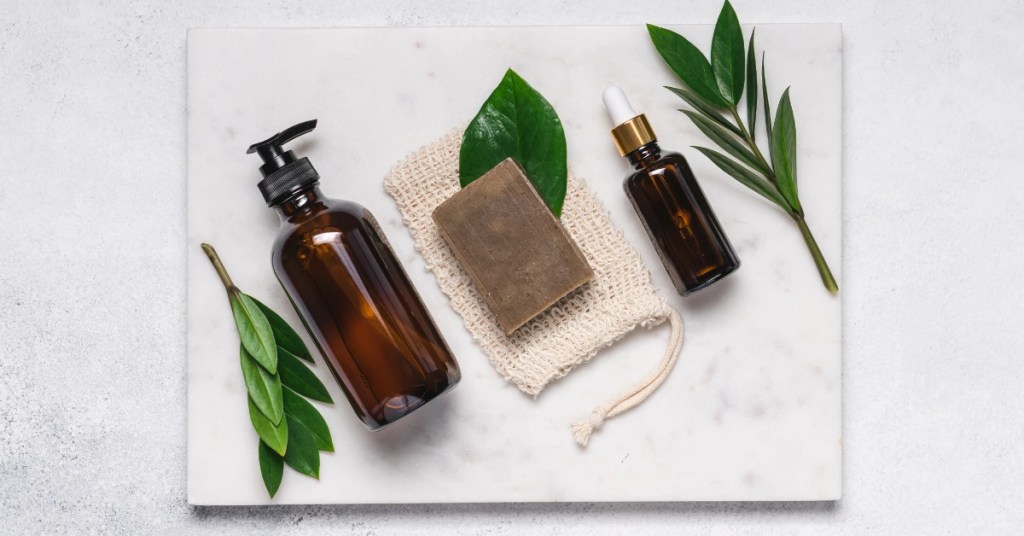
Modern skincare consumers are increasingly drawn to “clean,” “natural,” and “safe” ingredients, seeking products that align with their health values.
Many skincare brands, such as Tata Harper and Herbivore Botanicals, prioritize 100% natural formulations without synthetic additives.
This shift toward natural ingredients is driven by consumers who are conscious of what they put on their skin and who value holistic wellness. The trend also expands to wellness-based beauty, where skincare supplements and hybrid products—like ingestible beauty supplements or antioxidant-rich serums—address skin health from within, meeting the modern desire for health and beauty benefits.
Clinique and UOMA Beauty create skincare solutions tailored to specific concerns like hyperpigmentation and melanin protection. These issues are common among people with darker skin tones. This approach allows brands to meet both cultural and ethnic skincare needs.
Other brands also develop products for sensitivity that affects individuals with fair or sensitive skin. These formulations address redness, irritation, and barrier repair.
Personalized options help brands embrace inclusivity. They acknowledge distinct skincare needs across demographics. This approach differentiates brands and builds consumer loyalty by keeping customers feel seen and understood.
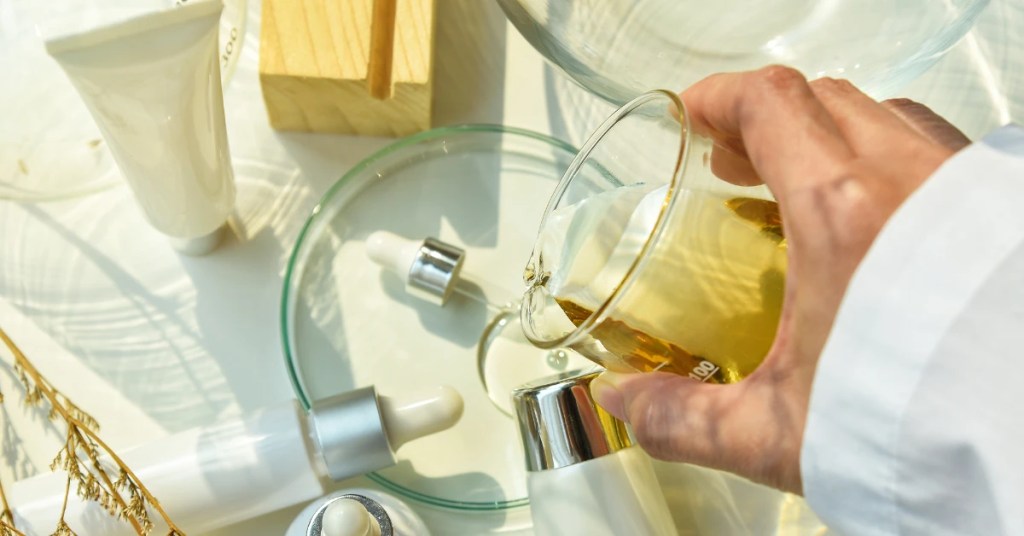
Artificial intelligence revolutionizes skincare product development by providing data-driven insights into formulation and consumer preferences.
AI analyzes scientific literature, market trends, and ingredient effectiveness to help brands identify emerging ingredients faster than traditional methods. Advanced machine learning algorithms predict the safety and efficacy of formulations before physical testing occurs.
AI algorithms scan extensive datasets of scientific studies and ingredient databases. They reveal compounds that target specific skin concerns, like anti-aging peptides and anti-inflammatory botanicals.
Platforms like Proven gather data on lifestyle habits, climate conditions, and individual skin concerns. This information enables brands to create formulations uniquely suited to each customer.
AI identifies trending skincare topics—such as “blue-light blocking” or “skin barrier repair”—allowing brands to stay ahead of market demands and quickly adapt formulations to meet consumer expectations.
Aspect Definition Benefits
Blue-Light Blocking Skincare ingredients that protect skin from high-energy visible (HEV) light, specifically blue light emitted by screens and electronic devices. – Reduces premature aging by protecting against blue light-induced oxidative stress.
– Helps prevent hyperpigmentation and skin inflammation triggered by blue light exposure.
Skin Barrier Repair Products are developed to strengthen and restore the skin’s natural barrier function, often by reinforcing the lipid matrix and hydrating deeply. – Reduces moisture loss. Keeps skin hydrated and plump.
– Protects against environmental stressors and irritants. Reduces sensitivity and redness.
Skincare brands are enhancing digital interactions to engage customers with the shift towards online shopping.
Augmented reality (AR) tools, like Sephora’s Virtual Artist, allow users to “try on” products digitally before purchasing.
Digital platforms now use AI-driven algorithms to recommend products based on customer browsing habits, preferences, and skin concerns.
Digital tools that simulate in-store experiences, such as AR and AI chatbots, allow brands to build loyalty by replicating the personal touch of a physical store.
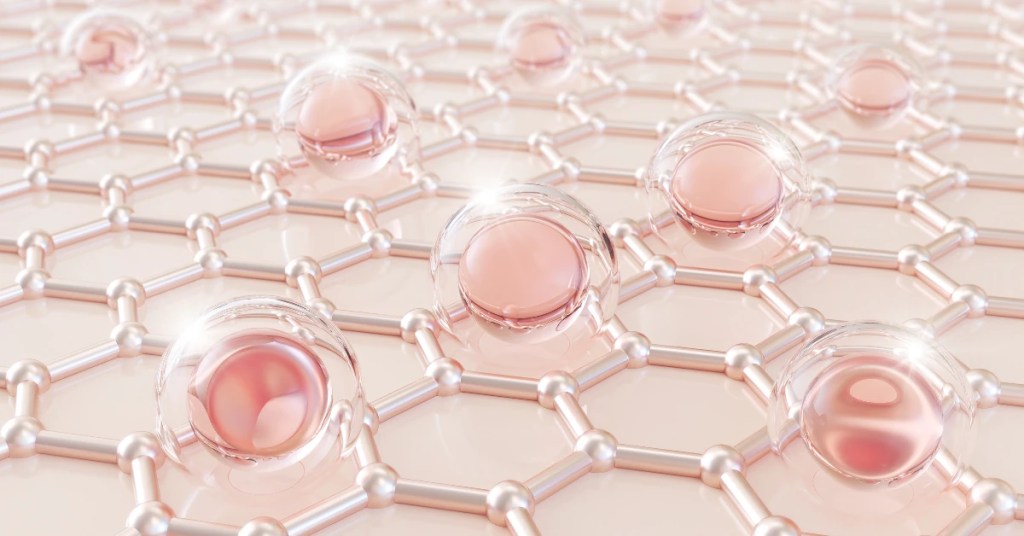
Lab-grown collagen is becoming a viable substitute for animal-derived collagen. It provides similar benefits without the environmental impact. Brands like Geltor are pioneering lab-grown collagen, while biotech company Mibelle has introduced plant stem cells for regenerative skincare products.
Research shows that lab-grown collagen has a more consistent molecular structure and higher purity than animal-derived collagen. This results in a more reliable and hypoallergenic product for sensitive skin.
Lab-grown collagen also offers greater stability, leading to a longer shelf life and improved effectiveness in skincare products.
The focus on skin microbiome health has introduced products formulated with probiotics, adaptogens, and superfoods that support holistic wellness. Products like TULA’s probiotic-infused skincare line promote skin health by supporting the skin’s natural microbiome.
Probiotic-infused skincare products strengthen the skin’s natural defenses, reducing inflammation and sensitivity by maintaining a balanced microbiome.
Ingredients like green tea, turmeric, and goji berry deliver concentrated antioxidants and essential nutrients that help protect against environmental damage and support overall skin vitality.
Studies reveal that skincare with superfoods rich in antioxidants, like green tea and turmeric, reduces oxidative stress and boosts skin tone, texture, and elasticity. This trend aligns with the demand for holistic skincare that enhances microbiome health and fortifies skin against stress.
Category Ingredient Examples in Skincare Primary Skin Benefits
Probiotics – Lactobacillus
– Bifida Ferment Lysate – TULA Probiotic Skincare
– Estée Lauder Advanced Night Repair Balances skin microbiome, soothes inflammation, strengthens skin barrier
Adaptogens – Ashwagandha
– Reishi Mushroom – Youth To The People Adaptogen Deep Moisture Cream
– Origins Mega-Mushroom Relief & Resilience Fights signs of stress. Improves skin tone and reduces redness.
Superfoods – Innisfree Green Tea Seed Serum
– Kora Organics Turmeric Brightening & Exfoliating Mask – Innisfree Green Tea Seed Serum
– Kora Organics Turmeric Brightening & Exfoliating MaskRich in antioxidants, fights free radicals, soothes and calms inflammation.
The shift towards waterless formulations is gaining traction as brands look to reduce water consumption and enhance product efficacy.
Medpak Solutions is a cosmetic manufacturer that helps brands to back up their promises with verifiable practices. Partnering with a certified private label company is necessary for brands to ensure compliance, credibility, and consumer trust. Adapting to evolving testing regulations is also essential, especially as scrutiny increases in regions like the EU and North America. Regulatory bodies emphasize accurate claims regarding clean beauty, ethical sourcing, and sustainability.