
Quality Assurance and Cosmetics Product Testing
Quality assurance is the backbone of trust between manufacturers, brands, and consumers. Customers expect safe and effective products of the highest quality. For brands, guaranteeing these expectations through cosmetics product testing is not just a requirement; it’s a commitment.
Medpak Solutions upholds that commitment through rigorous quality assurance and cosmetics product testing procedures to meet the highest standards every time. This makes us the trusted private-label cosmetic manufacturing in the USA.
Approach to Quality Assurance
Quality assurance (QA) in the cosmetic industry is more than just a final check. It’s a continuous process that begins from the initial stages of formulation and continues through production, packaging, and distribution. QA embeds vigorous cosmetic testing and verification protocols throughout the entire manufacturing process.
Every cosmetic we create undergoes detailed inspections to confirm that it fulfills industry standards, regulatory requirements, and your specific brand specifications.
Formulation Evaluation
Assessing the product’s ingredients to guarantee they are safe, effective, and meet regulatory requirements.
Production Oversight
Monitoring every step in the production process for consistency and quality.
Packaging Verification
Checking that every package is durable, correctly labeled, and sealed to preserve quality throughout its lifespan.
Ongoing Testing
Continuous testing to guarantee that the skincare performs well throughout its shelf life.
Types of Testing
We Perform
We make sure that each skincare undergoes a comprehensive range of tests to meet and exceed industry standards. Our lab testing for cosmetic products includes regular checks, development-specific evaluations, and finished product assessments to guarantee consistency, safety, and performance.
Regular Product Checks
There are routine tests throughout production to guarantee your item maintains its integrity. Our regular checks include:
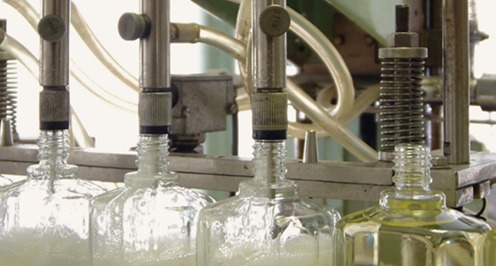
Viscosity
Measures the thickness or flowability of a cosmetic, which is critical for delivering the desired texture. If the viscosity is too high or too low, the product could be difficult to apply or ineffective.

pH
Cosmetics with an imbalanced pH can irritate the skin or disrupt the skin’s natural barrier. For example, a facial cleanser commonly has a pH of 4.5 to 5.5 to match the skin’s natural acidity.
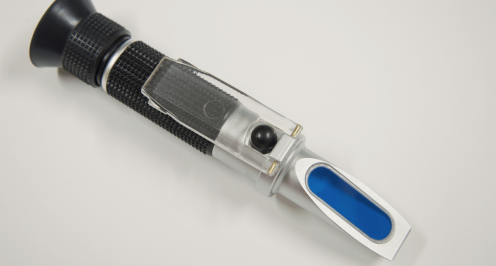
Specific Gravity
Determines the product’s density to confirm it meets consistency requirements.

Compatibility (Fit, Form, Function)
The formula should work well within the packaging, both in terms of physical compatibility and performance.

Scent
Evaluates the product’s fragrance so it remains consistent and pleasant throughout its shelf life. A cosmetic’s fragrance must meet the product’s desired profile and stay stable during storage and use.

Microbiology
Ensures the skincare is free from harmful microorganisms to prevent contamination. This is especially crucial for water-based products like lotions, shampoos, and facial sprays.
Development Checks
These tests are vital in the initial development stages to confirm the product’s safety, performance, and shelf life.
Stability
This makes sure that a cosmetic maintains its appearance, texture, scent, and overall performance over time. We simulate various environmental conditions, including different temperatures, humidity levels, and light exposure, to determine how the product behaves.
Preservative Efficacy Testing (PET)
PET assesses the effectiveness of preservatives in our formulations. This is crucial for preventing microbial growth, which can lead to contamination and harm to consumers. Our PET tests help identify the right preservative system to guarantee your products are safe and effective.
Human Repeated Insult Patch Test (HRPIT)
This is an evaluation of the potential for skin irritation or sensitization. HRPIT test is particularly important for products intended for sensitive skin. We make sure your cosmetics will not cause adverse reactions when used regularly by your consumers.
Fill Capacity
We assess the fill capacity to verify that each container is filled with the right volume. This is necessary for maintaining consistency and meeting labeling requirements. Accurate fill capacity also guarantees that your consumers receive the full amount of product they’re paying for.
Finished Products
After producing your cosmetic product, it then undergoes additional checks to confirm it meets final quality standards before distribution.
BOM Assembly Check
The Bill of Materials (BOM) assembly check guarantee that every ingredient and component listed in the formula is correctly included in the final product. Accuracy in formulation and production eliminates any potential discrepancies or errors.
Cosmetics Product Testing Builds Consumer Confidence
For any skin care manufacturer, testing builds consumer trust. Proper tests guarantee safety and support your brand’s integrity. Medpak Solutions conducts meticulous processes covering all production aspects—from ingredient formulation to finished product verification. You can be confident that your brand deliver safe and effective products to your customers.
The Positive Impact of Comprehensive Cosmetic Testing
Reduced Risks
Proper checks minimize the chances of failure, recalls, or harmful reactions.
Comply with Regulations
Guarantee your products meet local and international regulatory standards.
Build Consumer Confidence
Lead to higher customer satisfaction and repeat business.
Let’s Guarantee Your Brand's Success
Choose Medpak Solutions for uncompromising quality assurance and testing. We manage every aspect—from formulation to packaging—with exacting precision. Your brand deserves cosmetic products that are safe and superior.
Frequently Asked Questions
Your Most Frequently Asked Questions About Cosmetics Testing
How often should Preservative Efficacy Testing (PET) be performed?
PET should be conducted on every new formula that contains preservatives. This makes sure the preservative system is effective in preventing microbial contamination and extends the product’s shelf life.
How does the cosmetics industry test new products?
New products are tested through a variety of lab procedures to make sure their ingredients and final formulations meet regulatory standards and consumer expectations. Common tests include evaluating skin irritation, allergy reactions, microbial contamination, stability, and confirming the claimed benefits of the product.
What is a Cosmetic Product Safety Assessment (CPSR)?
CPSR is a legal document provided by a chemist to confirm the safety of your cosmetic products. It involves a detailed review of the product’s recipes to guarantee all processes have been correctly followed and that ingredient quantities are within safe limits.
What is the cosmetic quality standard?
ISO 22716 outlines the requirements for a quality management system tailored to the cosmetics industry. It uses a risk-based approach to define effective risk and quality management practices to ensure high-quality products and reduced risks throughout the supply chain.
Secure Your Brand Reputation with Cosmetics Testing
Cosmetics product testing is paramount in product development. Medpak Solutions guarantees product quality through various testing protocols for regulatory compliance.