
Formulating for Skin Feel:
Why Texture Is a Make-or-Break for Consumers
Carole Berning, a consumer psychologist formerly with Procter & Gamble, said, “Sensory attributes have a major impact on consumer product perception and appeal across all five senses.” In skincare product formulation, texture delivers the first physical interaction between product and consumer.
A cream that glides, absorbs, or leaves a residue can impact whether a user continues to use or recommends it. Long before any active ingredient has time to work, the product’s feel speaks volumes—and brands that ignore it risk losing consumers at first contact.
From the initial pickup to final residue, every tactile interaction builds consumer perception. For skincare brands, texture isn’t a finishing touch—it’s part of the core value proposition.
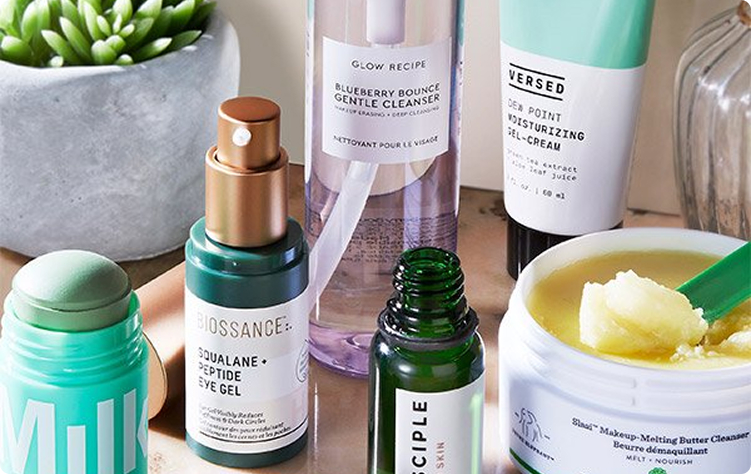

From the initial pickup to final residue, every tactile interaction builds consumer perception. For skincare brands, texture isn’t a finishing touch—it’s part of the core value proposition.
Key Takeaways
- Texture is a big part of skincare product formulation—shaping consumer perception from first use.
- Sensory attributes—like density, absorption, and after-feel—signal performance and influence loyalty.
- Texture must align with product function, target audience, and market positioning.
The Sensory Experience: Beyond Active Ingredients
Consumers judge more than performance—they judge experience. Texture plays a silent yet big role that affects how users feel emotionally and physically during and after application. According to a ResearchGate study, “Predicting Sensory Texture Properties of Cosmetic Emulsions by Physical Measurements,” sensory perception is formed through multiple stages:
Pickup: the product’s initial grip or consistency
Playtime: how it moves and resists during application
Rub-out: changes in viscosity or structure as it spreads
After-feel: lingering sensations—moist, dry, greasy, or matte
Carole Berning explains that texture strongly influences how consumers judge product quality. Thicker formulas are usually seen as more effective for hydration, while thinner ones may feel less substantial. Even the type of lather—creamy, bubbly, or minimal—can shape how well a product is believed to perform.
Texture as a Perceived Indicator of a Product’s Functionality and Differentiation
Texture doubles as a visual and tactile cue for efficacy. Consumers consistently associate product form with product function—even if the link is subjective. A rich balm signals deep hydration, while a light serum feels targeted and clinical.
Mintel, a market research firm, revealed that consumers link product texture to its effectiveness.
Among female bodycare users, 60% associate moisturizing with products that leave the skin soft for hours, with 53% preferring a softer feel.
Men, on the other hand, focus more on visual cues: 46% believe fast absorption signals moisturization, and more men associate shinier skin or a residue with a moisturizing product (17% vs. 13% for women).
This shows distinct sensory preferences based on gender, which also means different demographics carry different texture expectations. Texture isn’t just preference—it’s an expectation linked to the product’s promise.
Texture Form | Consumer Interpretation |
Dense balm | Intense repair, overnight use |
Gel-cream | Lightweight, breathable, fresh |
Watery emulsion | Fast-absorbing, suitable for day |
Whipped texture | Pampering, luxurious experience |
With all the skincare brands here and there, texture becomes a signature. This goes beyond aesthetics and taps into behavior—transformative textures can prompt surprise, satisfaction, and even word-of-mouth.
These textures also support product storytelling. A cream that “melts” may reinforce messaging around skin-barrier absorption. Sensory differentiation isn’t superficial—it helps brands build identity through formulation.
Make sure your product’s texture is appealing as it is effective. Let our Medpak Solutions formulate your cosmetic products with a premium feel.
Formulation Strategies for Desired Textures
Achieving a desired texture is the result of well-balanced formulation decisions. Texture is engineered through the careful selection of emollients, rheology modifiers, stabilizers, and structural ingredients.
Emollients (esters, oils): Influence softness, spreadability, and richness
Polymers (carbomers, acrylates): Control viscosity, flow, bounce, and playtime
Solvents (water, alcohols): Impact absorption speed and cooling sensation
Waxes and butters: Add thickness, structure, or occlusive feel
Silicones (e.g., dimethicone): Provide slip, reduce tackiness, improve rub-out
Texture modification must match the product’s performance claim. A sunscreen, for example, should avoid high residue. A winter cream may benefit from a denser, cushioning feel. Texture design is not guesswork—it’s a controlled manipulation of ingredient interactions.
Using Thickeners to Create Texture in Emulsions
Texture doubles as a visual and tactile cue for efficacy. Consumers consistently associate product form with product function—even if the link is subjective. A rich balm signals deep hydration, while a light serum feels targeted and clinical.
Mintel, a market research firm, revealed that consumers link product texture to its effectiveness.
Among female bodycare users, 60% associate moisturizing with products that leave the skin soft for hours, with 53% preferring a softer feel.
Men, on the other hand, focus more on visual cues: 46% believe fast absorption signals moisturization, and more men associate shinier skin or a residue with a moisturizing product (17% vs. 13% for women).
To give emulsions a more appealing texture, formulators use thickeners that adjust how the product feels and flows. These ingredients help with consistency, spreadability, and skin feel. Different types of thickeners bring different benefits—and some limitations. Here’s a quick guide from SpecialChem:
Type | How it Works | Examples | Considerations |
Lipid | Solid fats that melt into emulsions and add body. | Carnauba wax, Cetyl alcohol, Stearic acid | Common in creams; good for rich textures. |
Natural | Swell in water to increase thickness | Xanthan gum, Guar gum, Gelatin | Can affect clarity; may feel sticky; results can vary. |
Mineral | Absorb oil/water to boost viscosity | Silica, Bentonite, Magnesium Aluminum Silicate | Good for oily/watery bases, pH & mixing affect stability. |
Synthetic | Form gels by absorbing water | Carbomers | Great texture, but not suitable for all pH levels or natural-focused brands. |
Ionic | Work by interacting with surfactants, especially in cleansing products. | Sodium chloride (NaCl) | Limited use; mostly for specific rinse-off formulas. |
Consumer Feedback and Iterative Development
No lab simulation replaces real user feedback. While rheological data and instrumental measurements can forecast certain texture traits, live testing captures how consumers emotionally and physically respond to a product. Here are some of the key methods:
Descriptive sensory panels: Trained participants score texture across stages of use.
In-use home testing: Real users evaluate the application's feel in real conditions.
Instrumental testing: Impact absorption speed and cooling sensation
The study cited in ResearchGate demonstrated that physical parameters—such as firmness and spreadability—can strongly correlate with perceived sensory qualities like richness or softness. Combining lab data with user perception gives brands both control and validation. This iterative process helps refine texture so it not only supports performance but feels right for the intended user.
Do Not Overlook Texture in Skincare Formulation
Texture is not the finishing touch. It defines experience, communicates quality, and influences whether consumers keep using—or even trying—your product. In skincare product formulation, texture makes a silent but lasting impression.
For skincare brands, that means investing in texture as early as active selection or packaging. If you’re developing a serum, cream, or cleanser, the feel must align with your promise.
Medpak Solutions guides brands through texture-forward formulation. From ideation to scale-up, we help create products that connect through skin feel. Ready to build a product that feels as good as it works?
Frequently Asked Questions
Most Frequently Asked Questions About Working With Cosmetic Manufacturer
What does the 1% rule mean in skincare formulation?
The “1% rule” refers to how ingredients are listed on skincare product labels. In most regions, once ingredients fall below 1% concentration, they can be listed in any order after the higher-percentage components. For skincare brands, this means active ingredients placed near the end of the list may be present in very low amounts—usually less than what’s needed to be effective. It’s a useful guideline when evaluating claims tied to key actives like niacinamide or Vitamin C.
What are the five core skincare product types that brands should focus on?
Skincare brands develop products across five key categories. These categories form the foundation of most skincare routines and influence consumer buying patterns and expectations.
- Cleansers – remove dirt, oil, and makeup.
- Moisturizers – maintain hydration and skin barrier support.
- Exfoliants – help with texture and cell turnover.
- Treatments – target specific concerns like acne, pigmentation, or aging.
- Sunscreens – protect the skin from UV damage.
Does a product with a watery texture work better than oily ones?
Not necessarily—whether a watery or oily texture works better depends on the product’s purpose and the target skin type.
- Watery textures (like gels, essences, or light serums) are ideal for quick absorption and preferred for oily or acne-prone skin.
- Oily or rich textures (like balms or creams) provide long-lasting moisture and are better for dry or mature skin.
What texture trends are emerging in skincare?
Emerging skincare texture trends include Cashmere foam, water balm, bouncy jelly, peel-off second skin, and silky milk. These textures aim to heighten user experience while delivering efficacy and novelty. Brands are increasingly exploring playful, skin-responsive formats to stand out.