
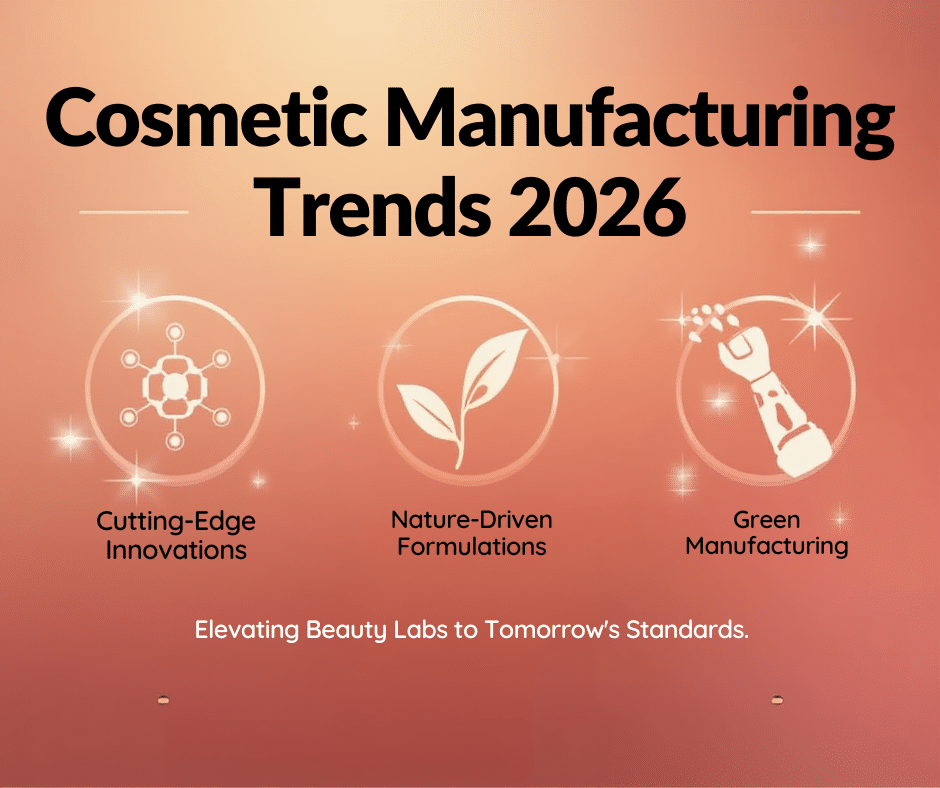
The beauty industry is entering a new era driven by innovation, sustainability, and changing consumer expectations. As we move into 2026, cosmetic manufacturing is evolving rapidly to support brands that demand higher quality, faster scalability, and stronger transparency.
From ingredient sourcing to production methods, manufacturers are reshaping how cosmetics are developed and delivered. In this article, we explore the key cosmetic manufacturing trends for 2026 and how they impact popular products like lotions and lip gloss.
Sustainability remains one of the strongest forces shaping cosmetic manufacturing in 2026. Consumers are actively choosing brands that demonstrate environmental responsibility across sourcing, production, and packaging.
Key sustainability trends include:
Eco-friendly and recyclable packaging
Reduced water usage in formulations
Energy-efficient manufacturing processes
Responsible sourcing of raw materials
Cosmetic manufacturers that adopt sustainable practices are better positioned to attract modern, eco-conscious consumers.
One of the most notable trends is the rising demand for cosmetics made in USA. Brands and consumers alike associate local manufacturing with higher quality, better regulatory oversight, and improved supply chain reliability.
Benefits driving this trend include:
Faster production and delivery timelines
Stronger quality control standards
Compliance with FDA cosmetic regulations
Increased consumer trust and brand transparency
For brands targeting the North American market, partnering with manufacturers offering cosmetics made in USA provides a strong competitive advantage.
Lotions remain one of the most in-demand product categories in the beauty and personal care market. In 2026, cosmetic manufacturing is focusing on advanced lotion formulations that combine performance with skin-friendly ingredients.
Key formulation trends include:
Multi-functional lotions (hydration + repair + protection)
Clean-label and dermatologist-tested ingredients
Lightweight, fast-absorbing textures
Enhanced stability and longer shelf life
Manufacturers are investing heavily in R&D to meet consumer expectations for both efficacy and safety.
Lip gloss is experiencing a strong resurgence, especially among Gen Z and younger consumers. Cosmetic manufacturing trends for 2026 highlight innovation in both formulation and finish.
Popular lip gloss trends include:
High-shine and plumping formulas
Hybrid lip glosses with skincare benefits
Vegan and cruelty-free ingredients
Improved wear time without stickiness
Cosmetic manufacturers are refining production techniques to ensure consistent texture, color payoff, and product stability at scale.
Automation is transforming cosmetic manufacturing by improving efficiency and consistency. In 2026, manufacturers are increasingly adopting:
Automated filling and packaging lines
Precision batching systems
Digital quality control monitoring
Data-driven production planning
These technologies reduce human error, speed up production, and support brands scaling their operations.
While large-scale production remains important, many brands now seek flexibility. Cosmetic manufacturing in 2026 supports:
Custom formulations
Limited-edition product runs
Faster prototyping and testing
This trend allows brands to respond quickly to market changes while maintaining product quality.
Regulatory compliance continues to shape cosmetic manufacturing globally. Manufacturers are prioritising:
Full ingredient traceability
Accurate product labelling
Comprehensive safety documentation
Transparency builds consumer trust and protects brands from regulatory risks as they expand into new markets.
At Medpak Solutions, we stay ahead of cosmetic manufacturing trends to support brands preparing for 2026 and beyond. Our manufacturing approach focuses on:
High-quality production standards
Scalable manufacturing for growing brands
Support for lotions, lip gloss, and other cosmetic products
Regulatory and compliance expertise
By aligning innovation with reliability, we help brands bring competitive cosmetic products to market efficiently.
Cosmetic manufacturing in 2026 is defined by sustainability, innovation, and trust. Trends such as the rise of cosmetics made in USA, advanced lotion formulations, and innovative lip gloss production highlight the industry’s shift toward higher standards and smarter manufacturing.
Brands that partner with forward-thinking cosmetic manufacturers will be best positioned to meet consumer demand, scale successfully, and remain competitive in an evolving beauty landscape.