The global cosmetic industry has grown at a CAGR of 1.0% over the past five years, reaching an estimated $480.6 billion in 2024. Continued interest in beauty and personal upkeep will drive any private label cosmetic company to develop new cosmetic products.
New and existing brands must coordinate with a reliable private label cosmetic company to stay competitive in this developed market. Trends, new formulas, and competition are a few challenges that can make or break a cosmetic brand. However, partnering with an innovative private label cosmetic company can help navigate these challenges successfully.
Some existing brands find it challenging to keep up with such developments and are looking to change manufacturers. Perhaps their current manufacturer doesn’t meet the required standards due to high costs, quality issues, lack of communication, and other factors.
Switching manufacturers might seem daunting, especially after investing significant time and effort in selecting the best partner to develop your product from scratch.
The time invested in product manufacturing can never be recovered. This is especially frustrating for a business owner who has invested in the process without achieving the expected results. Changing the game plan might seem daunting, but the right strategy can open new doors. Instead of waiting for your current manufacturer to deliver the long-awaited results, consider a tech transfer.
Tech Transfer allows you to change manufacturers while maintaining the same formulation, ensuring that the quality and integrity of the product are preserved. Below, we offer a detailed guide to successfully making this change and minimizing the associated risks.
Abbot (1985) defines technology transfer as “the exchange of scientific knowledge between groups, involving its application.”
Technology transfer refers to transferring designs, inventions, technical knowledge, or intellectual property between organizations. This process is guided by the policies, procedures, and values of each participating organization.
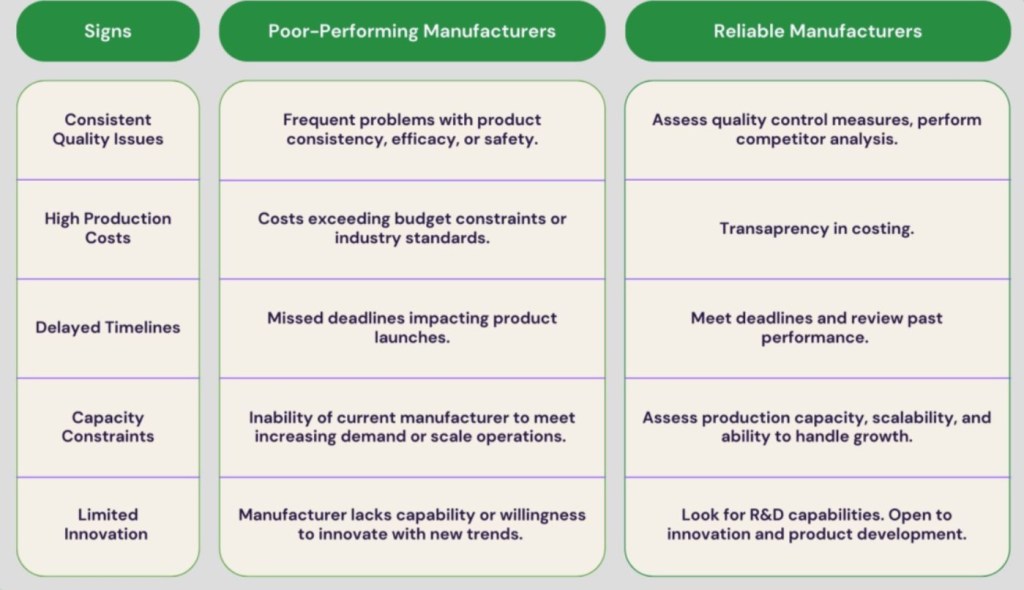
The tech transfer process is more complex than it appears. Even with all the necessary information, the new manufacturer must conduct initial tests to validate the process and ensure the product meets customer expectations. This involves stability tests and other assessments to guarantee the final product’s safety and effectiveness.
Differences in equipment, processes, and production conditions can significantly impact the final product outcome, underscoring the importance of these validations.
Even minor adjustments in the production process can lead to significant changes in formulation. For instance, if the laboratory maintains an average temperature of 70 degrees Fahrenheit during testing, this condition becomes critical for consistency during production.
One of the primary challenges in tech transfer is incomplete information provided by the customer. Current manufacturers sometimes withhold details to hinder replication by others. This causes delays and necessitates additional research and testing, thus consuming time and resources.
The formulas may involve exclusive materials, sophisticated production machinery, or non-standardized processes, further complicating production.
Below are some additional considerations and adjustments during the tech transfer process:
Various suggestions were made to overcome barriers to technology transfer. These included advocating for transparent partnerships, blunt communication, effective communication efforts, encouraging and educating staff about the benefits, fostering greater commitment, and promoting open and positive attitudes.
Below are the elements, necessary information, and standards to meet when transferring production to a new private label cosmetic company.

Most companies often retain ownership rights to the formulas they create, even if the brand paid for their development. This can become a significant issue if you switch manufacturers, as the original partner may use these patents to block you from transferring the formula elsewhere.
Always clarify early on in negotiations whether the formula you’re developing will belong to you or the company. This detail can lead to complications when changing manufacturers in the future, potentially preventing you from replicating the formula as originally created.

The planning stage is the most important for your product’s success. During this phase, you determine whether your product is viable and if the market will embrace it.
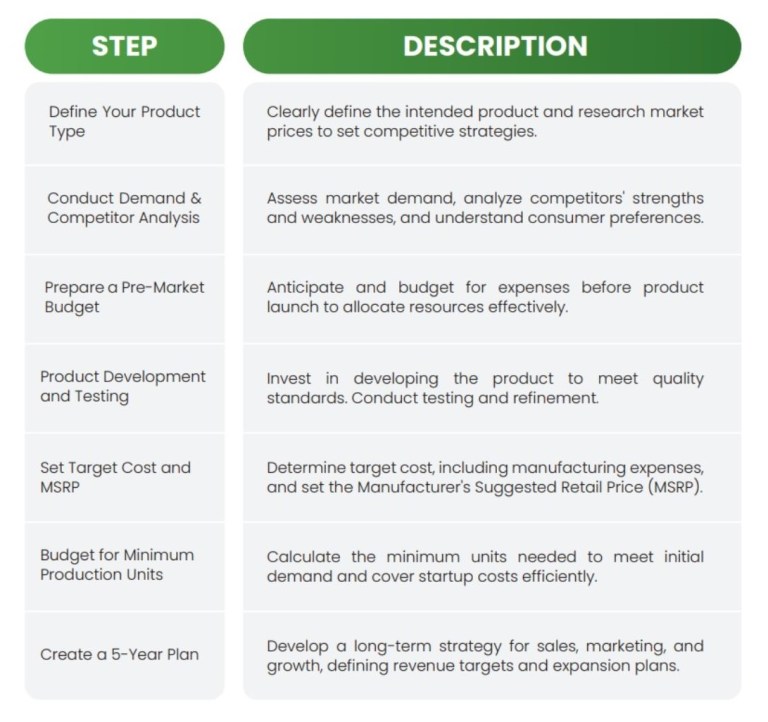
Asking the right screening questions can save you numerous headaches down the line.
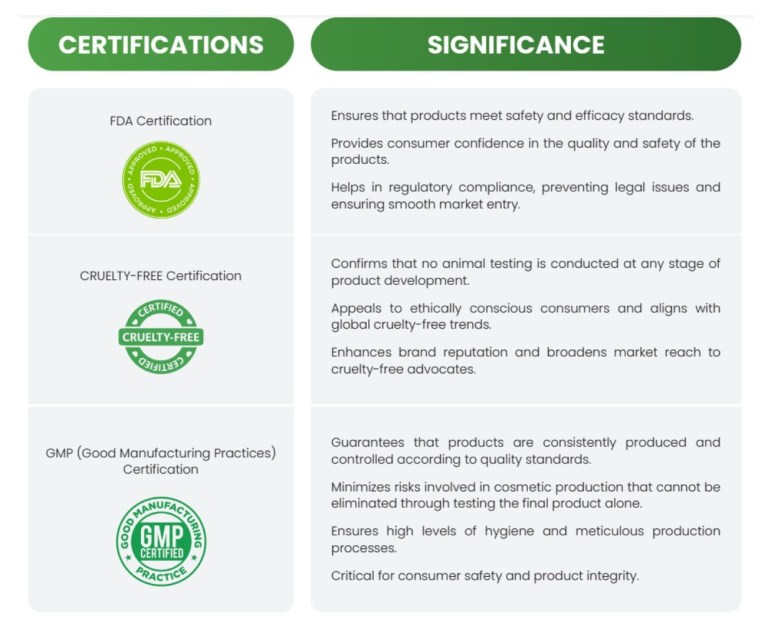
Cosmetic Manufacturer Must Have Necessary Certifications. Your private label cosmetic company must verify the certifications of their partners and ensure procedures follow the necessary guidelines. Products must be produced with the utmost meticulousness and hygiene. This is why certifications like those from the FDA, CRUELTY-FREE, and GMP are necessary. Medpak holds these following certifications:
Standard Timelines. Cosmetic companies must consider production timelines and compare their options. Industry standard timelines are around 12-16 weeks (about 3 and a half months) for production orders and 6-8 weeks (about 2 months) for lab development. MedPak, on the other hand, offers a 2-4-week turnaround for development and 6-8 weeks (about 2 months) for production orders.
Prioritize manufacturers with quick turnaround times to maintain a healthy cash flow. Questions about their average lead time and longest turnaround time can show their efficiency in meeting deadlines.
Transparency and communication. Your cosmetic manufacturer should clearly outline expectations and approximate timelines while being responsive to all your inquiries and concerns. If they’re not responsive at the beginning, it’s indicative of how they’ll handle emergencies in the future.
Manufacturers must have fulfillment centers. Work with companies capable of distributing products anywhere, in any format. Whether your initial strategy involves Amazon or multiple channels, your manufacturer should accommodate multichannel distribution.
You’ll want to run promotions or create gift campaigns as your brand grows. Ensure your manufacturer can handle these tasks smoothly. Dealing with promotions is tough; dealing with multiple partners or suppliers is tougher. Pick a manufacturer who can also support your marketing needs and simplify your processes.
The development stage initiates the creation of your cosmetic products. This involves collaborating with the a trusted private label cosmetic company, product developers, and chemists.
A competent developer for your cosmetic products exhibits transparency and ensures continuous communication throughout the process. They must establish clear project timelines, maintain regular touchpoints, and notify you of potential delays.
Pitch questions regarding composition, ingredients, and production standards during cosmetics or skincare manufacturing. If negotiations with a manufacturer fail to address these concerns adequately, it is advisable to explore alternative options to prevent potential future issues.
These revisions clarify each question for better understanding and communication during product development. Stay proactive and well-informed, and expect your manufacturer to do the same. This mutual commitment signals that you’ve made a sound decision.
Feeling unsatisfied with your current cosmetic manufacturer shouldn’t lead to despair; instead, it should prompt exploration of solutions that can lead to a more productive collaboration and a final product meeting your quality standards.
Tech Transfer offers a valuable solution when dissatisfied with your current manufacturer. It signifies a new opportunity to find a partner who aligns better with your needs and expectations.
Don’t let an unreliable manufacturing partner limit your vision. Medpak Solutions, your trusted private label cosmetic company, will support you every step of the way and we ensure you are satisfied with the final result. We specialize in making Tech Transfer a seamless transition for you, opening doors to more opportunities and growth. Speak with an expert today to discuss your projects.