The natural and organic cosmetics industry is experiencing a surge in popularity. Organic skin care manufacturers are prioritizing ingredient quality and sustainability for customer welfare.
With projected per capita revenue of US$5.47 in the United States by 2024, there is a robust demand for natural beauty products.
Join us as we delve into eco-friendly beauty and discover the practical solutions and benefits of partnering with Medpak Solutions to address sourcing challenges in this thriving industry.
In line with the ‘Sophisticated Simplicity’ trend, customers prioritize ingredient quality and the effectiveness of items over elaborate packaging and aggressive marketing.
This consumer behavior is reflected in the anticipated per capita revenue of US$5.47 in the United States for 2024.
The market is responding to the changing ideals of attractiveness and health-conscious mindset. Companies that opt for organic components like face masks, eye creams, lip items, and nail polishes, especially those accredited as non-synthetic, are positioning themselves at the vanguard of this industry.
This growth is not limited to physical stores. Online sales are expected to account for 17.7% of the total revenue in the cosmetics and personal care market. The convenience of e-commerce propels the skincare market forward, with a growth trajectory set to reach US$3,80,492.2 million by 2034.
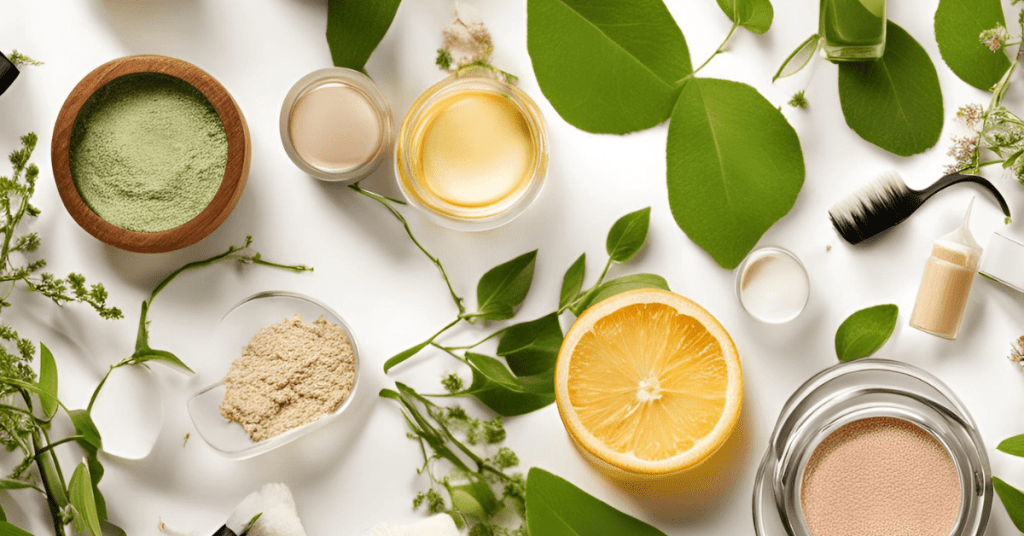
Well-regarded certifications such as COSMOS Organic, Ecocert, and USDA Organic not only require the use of organic farming-sourced ingredients but also mandate adherence to eco-friendly production processes and rigorous quality controls.
These standards are not merely labels; they represent a commitment to sustainability and consumer safety.
Acquiring the EU Ecolabel necessitates a deep dive into the supply chain to ensure that all components, including preservatives and packaging, satisfy stringent environmental and health criteria.
The FDA provides guidance documents detailing current thoughts on best practices. However, these are not legally binding, and manufacturers may adopt alternative methods if compliant with relevant laws. The recent expansion of the FDA’s oversight in beauty product safety highlights the significance of these measures.
The journey towards certification, often over a year, is a testament to a brand’s dedication to excellence. This approach reflects the regulatory landscape, highlighted by the passage of MoCRA that underscores the FDA’s enhanced oversight of the cosmetics industry.
Like generic drugs, beauty products derived from nature must meet the safety, quality, and management requirements of their traditional equivalents. FDA does not grant authorization for dietary supplements, but a degree of caution is necessary in manufacturing organic beauty items to safeguard the welfare of consumers.
The evolution of the natural and organic cosmetic industry leans into scientific advancements.
Brands within this space are tapping into a rich diversity of plant-based extracts, such as the nutritionally potent Paccasasso del Conero, a sea fennel known for its high Vitamin C content.
These companies embrace ‘Sophisticated Simplicity’ by prioritizing ingredient quality and product effectiveness. Personal experiences and scientific research drive their approach, as seen with TARAMAR. TARAMAR’s focus on marine biology and addressing skin concerns leads to innovative skincare solutions. Their exploration of oceanic bioactive materials results in nurturing products.
Cosmetics brands are reducing their reliance on fancy packaging and flashy campaigns. Their focus is now on green chemistry and biotechnology to craft sustainable, eco-friendly alternatives to conventional cosmetics.
Sustainability is a fundamental element in natural and organic skin care products.
Transparency in sourcing raw materials is a testament to this commitment, as seen with ingredients like the Picasso del Conero, a sea fennel revered in Marche for its nutritional benefits and now being harnessed for its skin-enriching vitamin C content.
The push for sustainability goes beyond mere ingredient selection, green production, better recycling practices, and waste management initiatives.
Such practices resonate deeply with consumers who prioritize environmental stewardship. Surveys indicate that sustainable packaging, waste reduction, and ethical practices rank high in purchasing considerations.
The industry navigates a complex regulatory landscape, adhering to Good Manufacturing Practices and ISO 22716:2007 guidelines to ensure safety and consumer trust.
In conclusion, the natural and organic cosmetics industry is booming as consumers prioritize ingredient quality and sustainability. Market trends show a shift towards prioritizing efficacy over elaborate packaging. Certifications like COSMOS Organic and Ecocert validate the quality and sourcing of products, leading to a more robust client base.
Partnering with Medpak Solutions offers solutions to sourcing challenges in the skin care industry. We navigate certifications, sustainable sourcing, and regulatory compliance for your products.
Take your natural and organic cosmetics brand to the next level with Medpak Solutions. Partner with us to overcome sourcing challenges and thrive in this booming industry.